 English
 Français
 Italiano

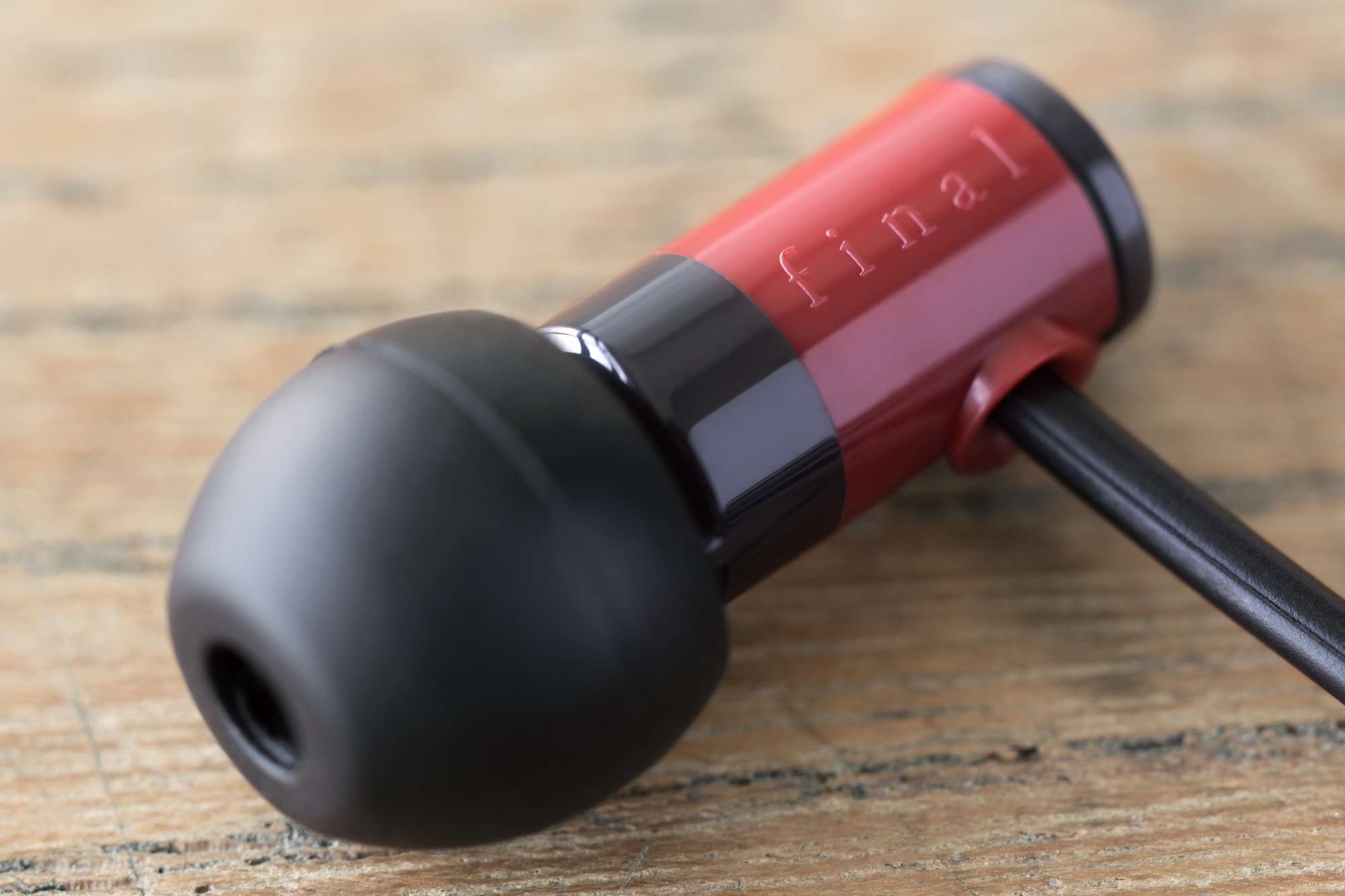


Description
E1000
Ambitious sound design based on state-of-the-art sound engineering and psychological research findings.
FINAL – E1000
Our aim was to offer novices a ” quality sound “.
Models E3000 and E2000 were the first E-series models to be launched on the market.
They were followed by the rewired models E5000 and E4000.
Although they have been well received on the market, we have had students say that they would have liked to buy E-series products, but couldn’t because of the high prices.
A simple change of headphones, and your favorite artist seems to be whispering in your ears.
The intros of songs you can’t get enough of sound like
We want young people to have this kind of stimulating experience and become more interested in audio products.
With this in mind, we set about developing the E1000 model.
This development was a real challenge, due to cost constraints, but we managed to produce the product without compromising quality.
In developing this product, we have incorporated the latest sound technologies and psychoacoustics acquired in our research and development on our flagship model of headphones, the D8000.
The E1000 has a clear, well-balanced sound from low tones to highs.
The result is a realistic soundstage that gives the impression of listening to live music.
This is a new basic model from final, which allows anyone who hasn’t yet experienced high-quality headphones to try them out.
Features.
Sound design based on sound engineering and psychology.
The sound design was developed by us and is based on state-of-the-art sound engineering and psychological research findings.
If we follow the usual methods of sound design and accentuate the high-frequency peaks, the result may seem faithful to reality on first hearing.
But the ranges running from front to back are drowned out by the high peaks and can hardly be heard at all.
The E series elegantly covers all frequency ranges and ensures, with high resolution, that all ranges sound authentic.
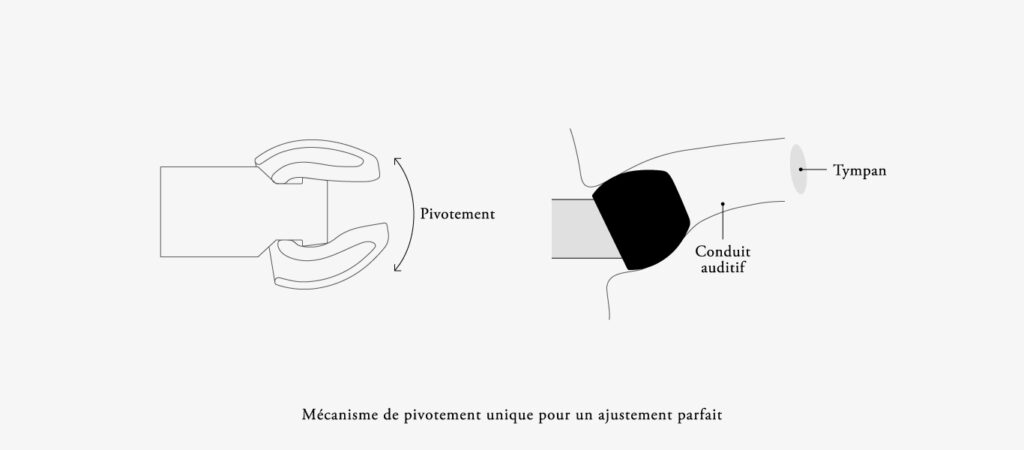
Unique pivoting mechanism for a perfect fit.
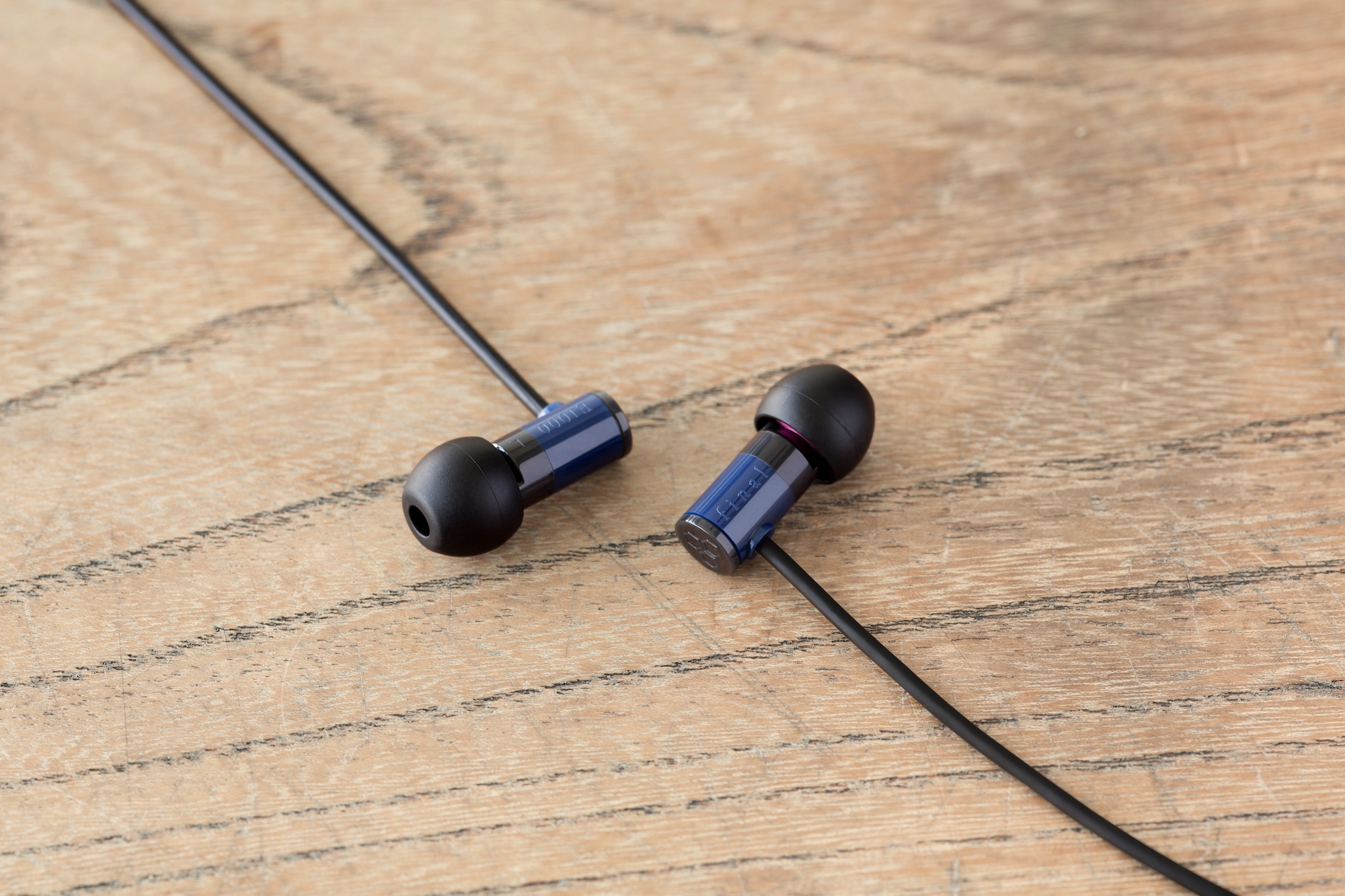
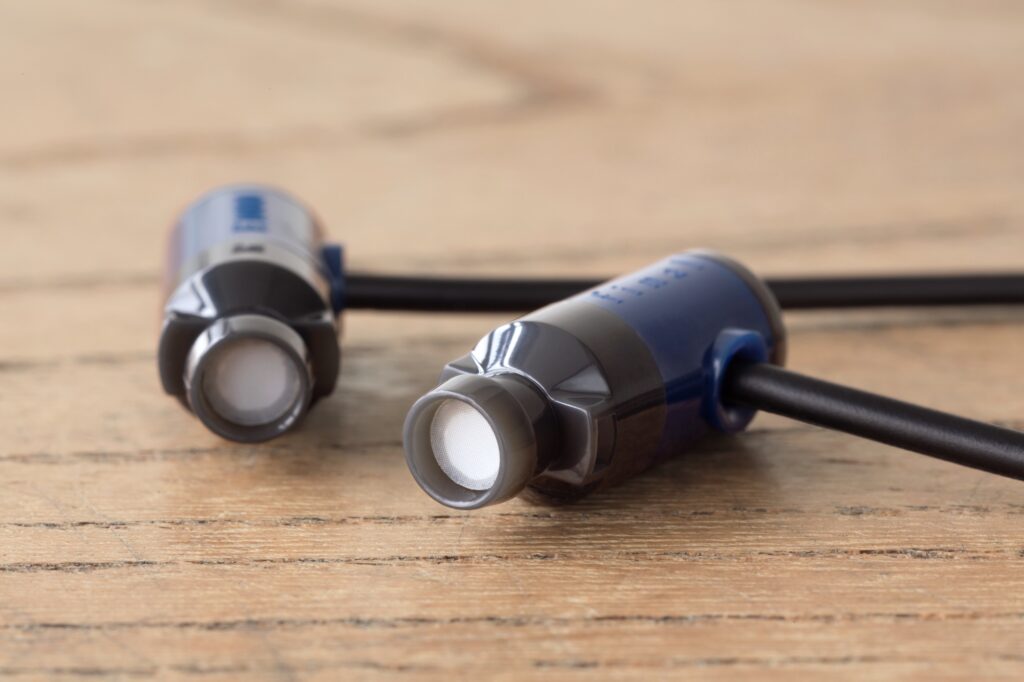
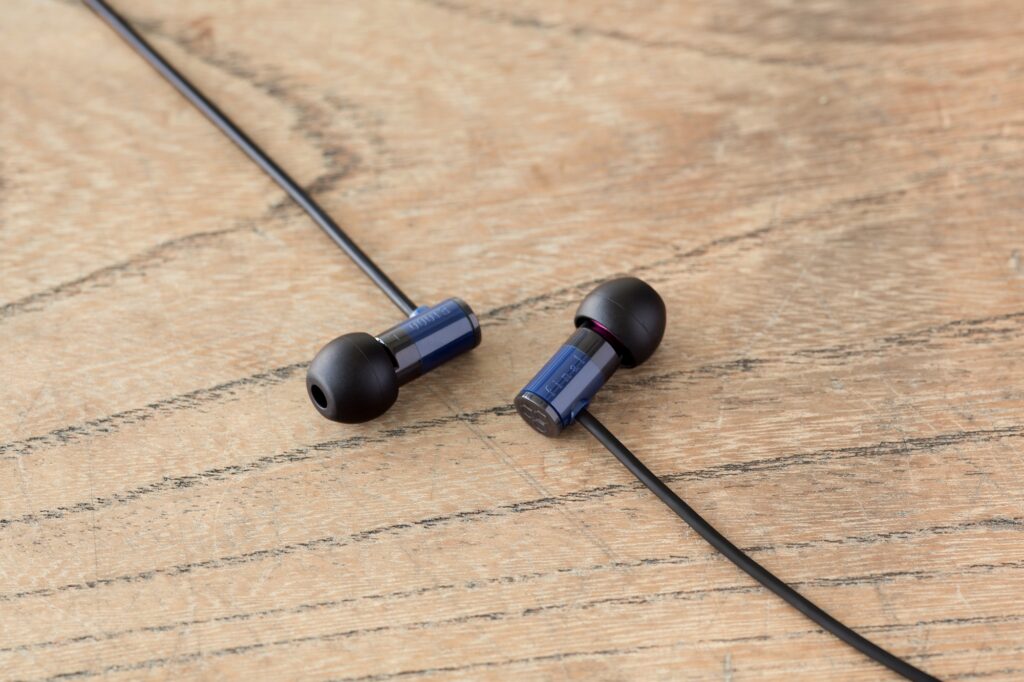
Using the pivoting mechanism, the earmolds can be rotated to the left, right or diagonally in the ear canal, to find the perfect fit.
This prevents deformation of the earmold passage, which can result from contact with the ear canal.
The sound is transmitted directly to the eardrum, and is crystal-clear.
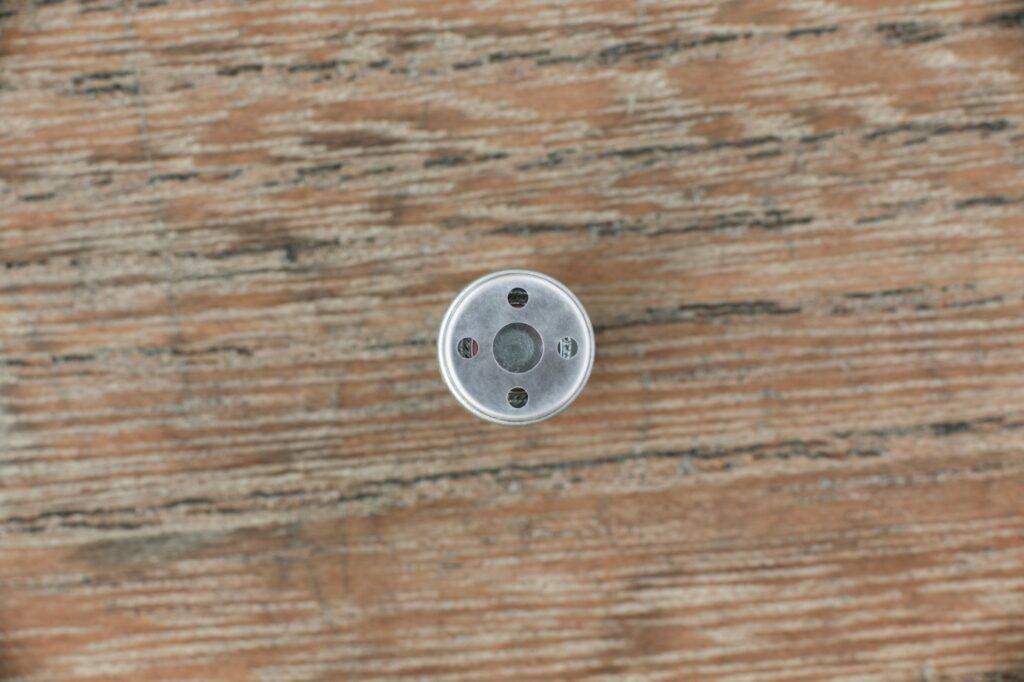
Dynamic drivers with Φ 6.4 mm.
The assembly of loudspeaker system parts requires the utmost precision.
The high-precision sound of the dynamic drivers, with a small 6.4 mm diameter sound outlet, is incredible for this price class.
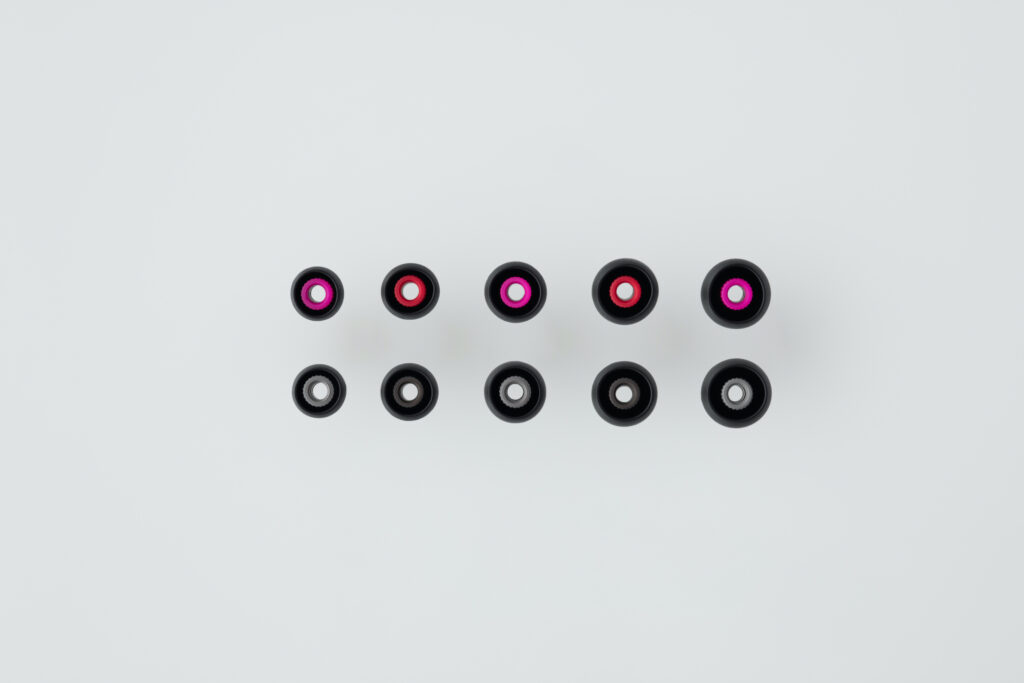
Original tips in 5 sizes.
Two different silicone materials are used for the ear-tips, differing in their resistance to sound transmission and to the ear plug touching the ear.
The silicone for the sound transmission path is firmer than that for the earplug, and thanks to its grooved finish achieves both firmness and flexibility.
The earplugs are made of soft silicone and, in addition to a comfortable fit, achieve a high level of sound insulation.
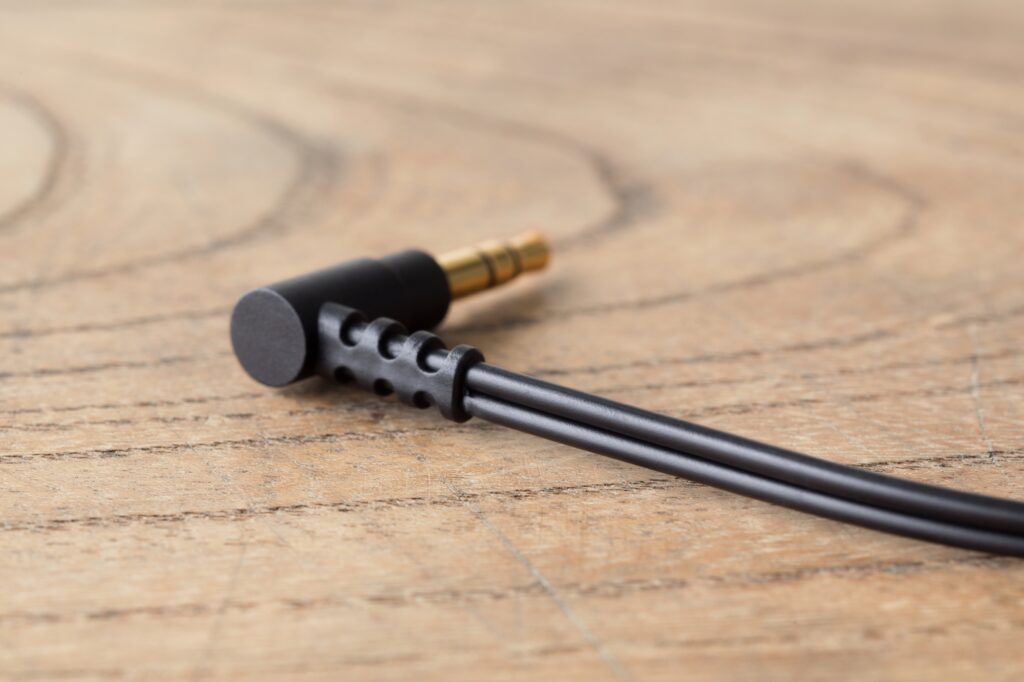
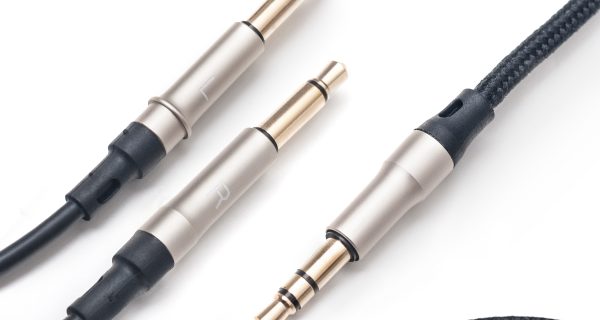
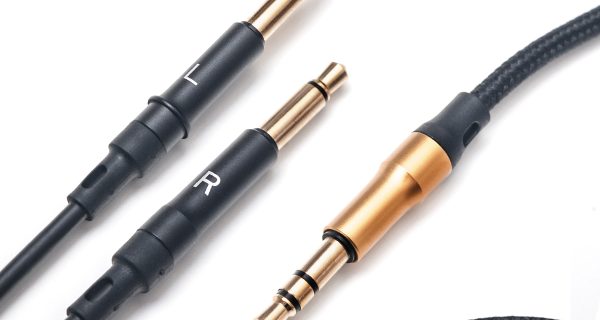
A thick, flexible cable.
A thick, flexible cable was used to avoid cable breakage.
Color variation.
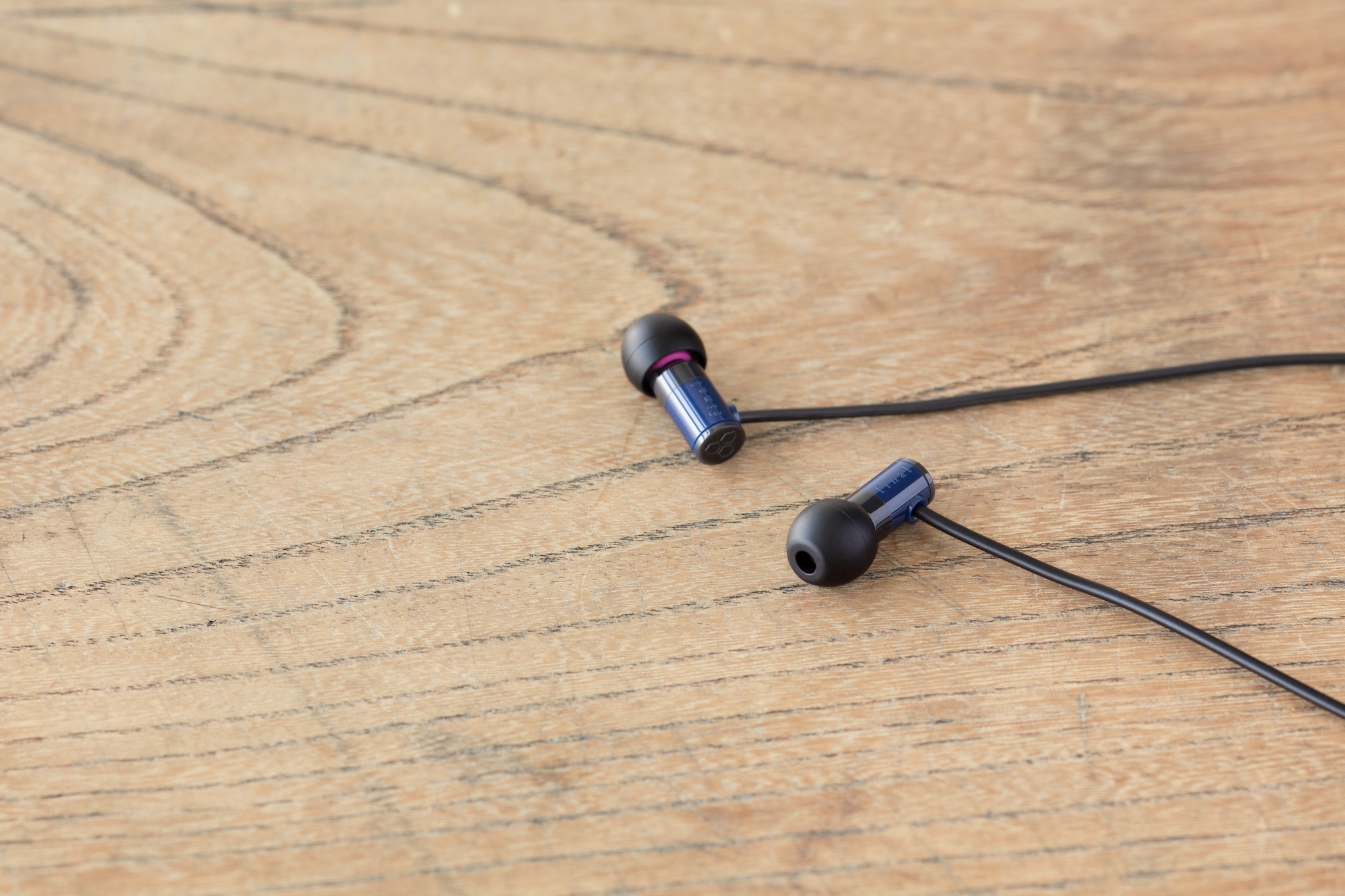
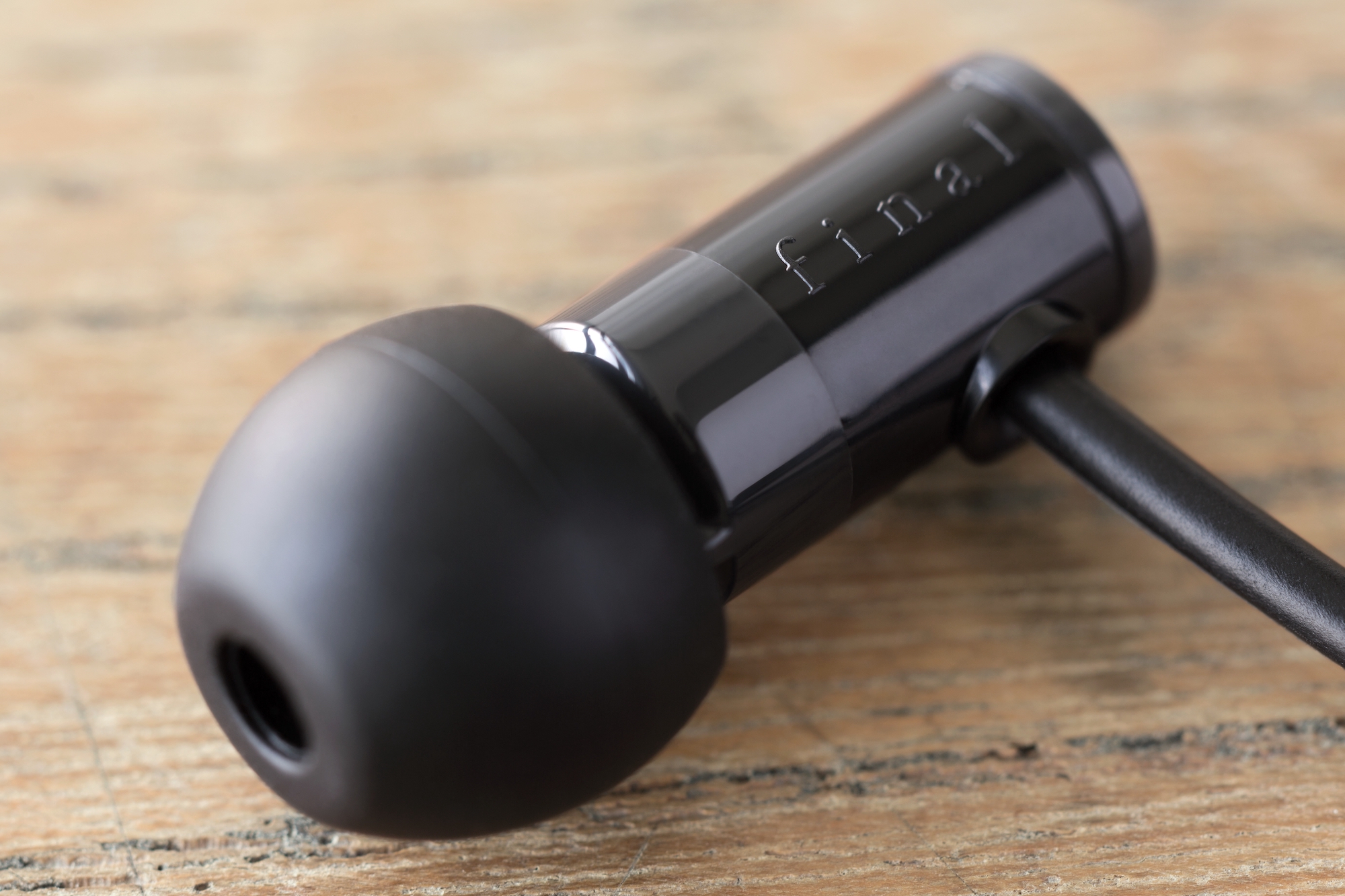
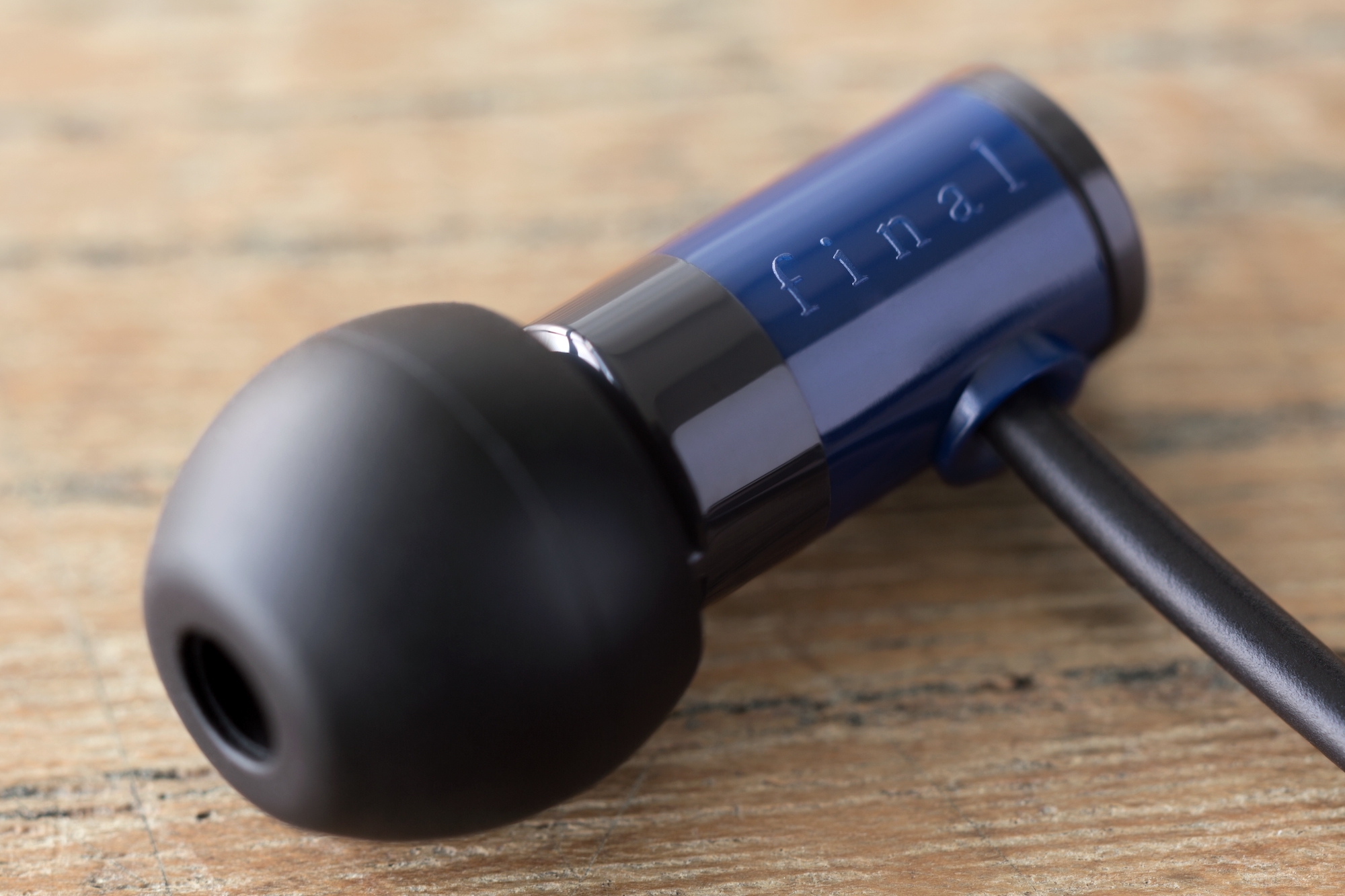
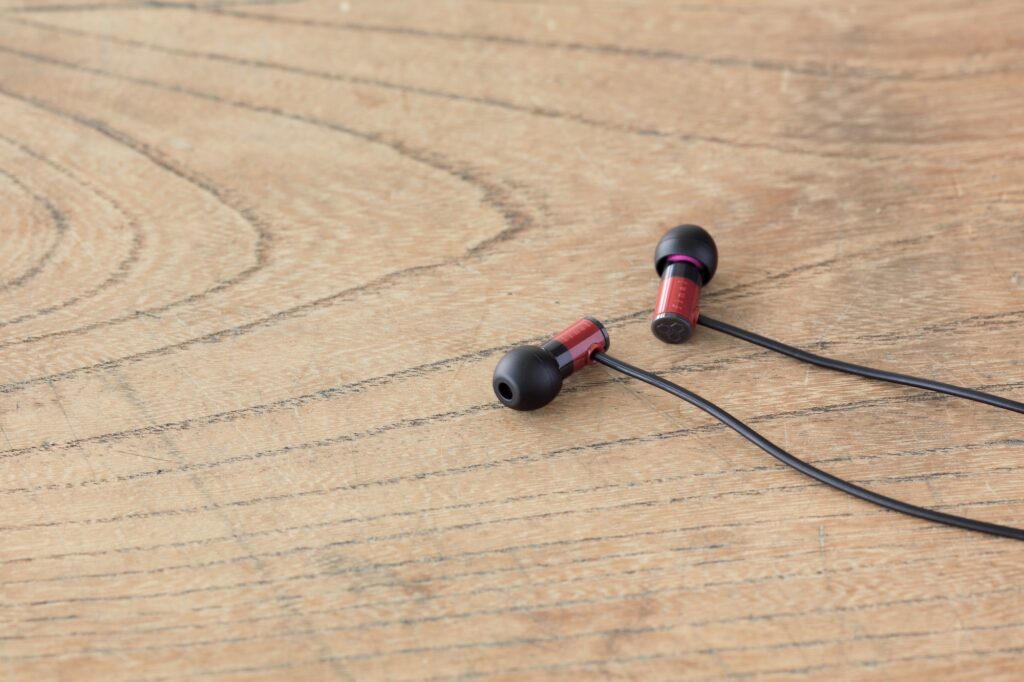
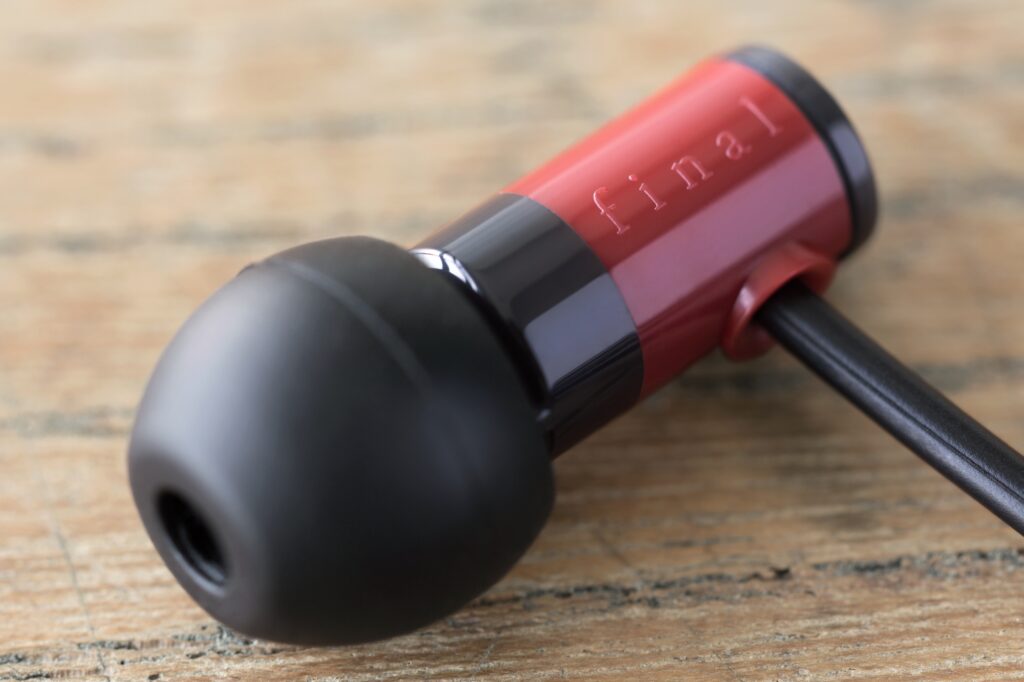
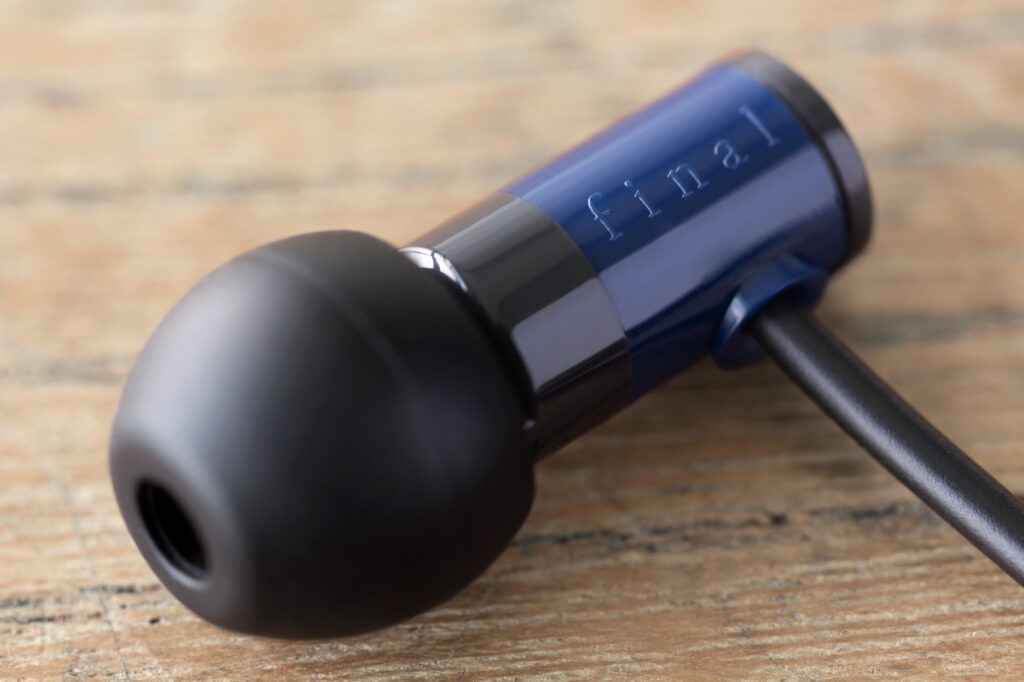
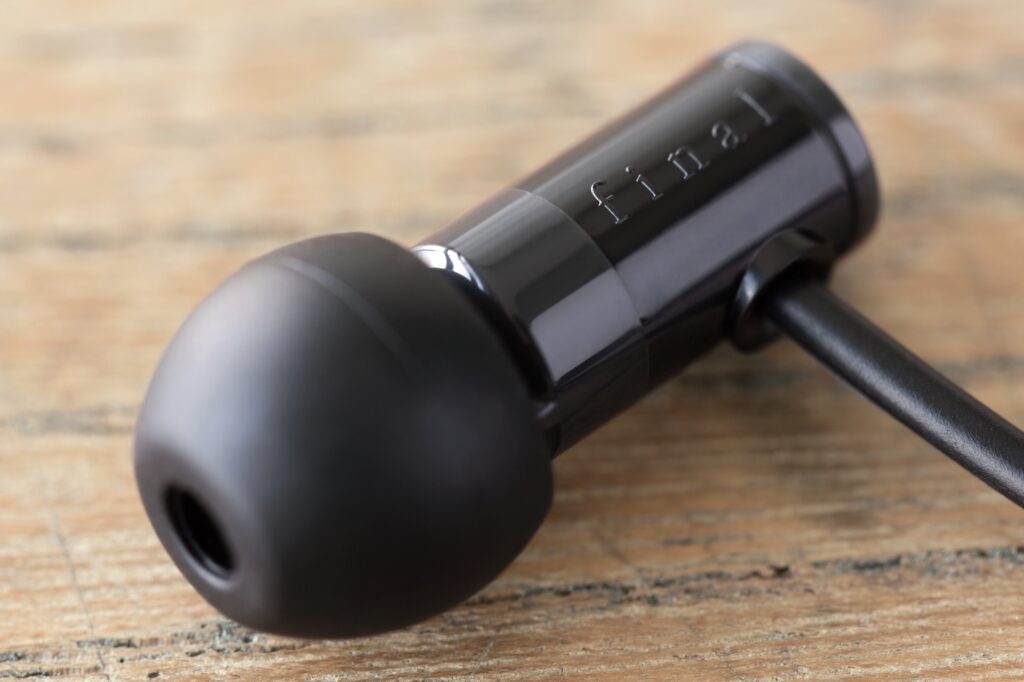
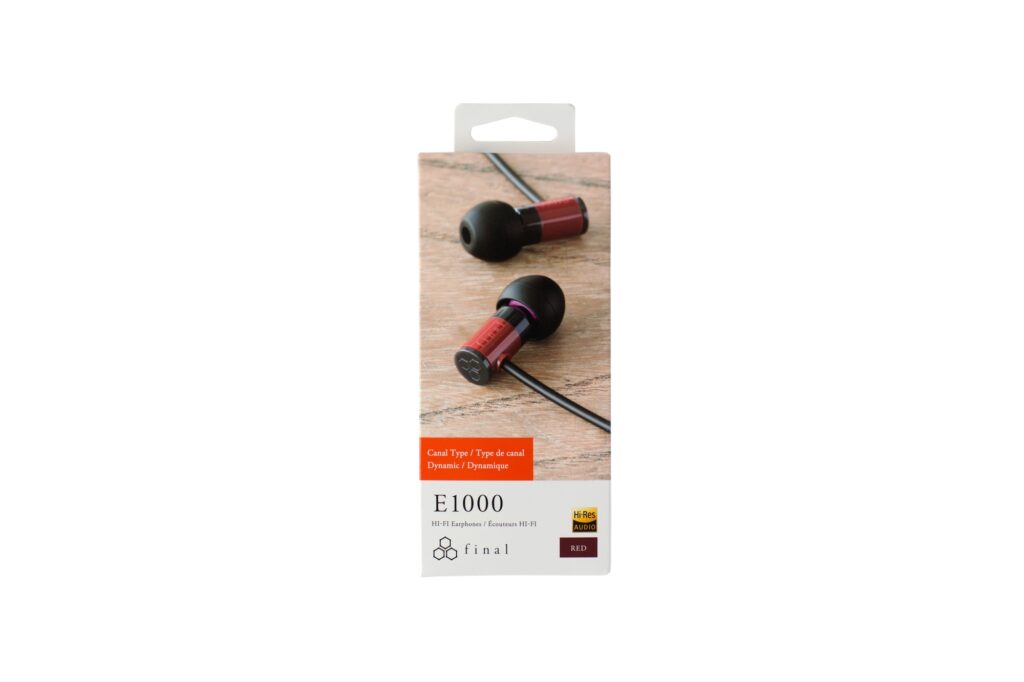
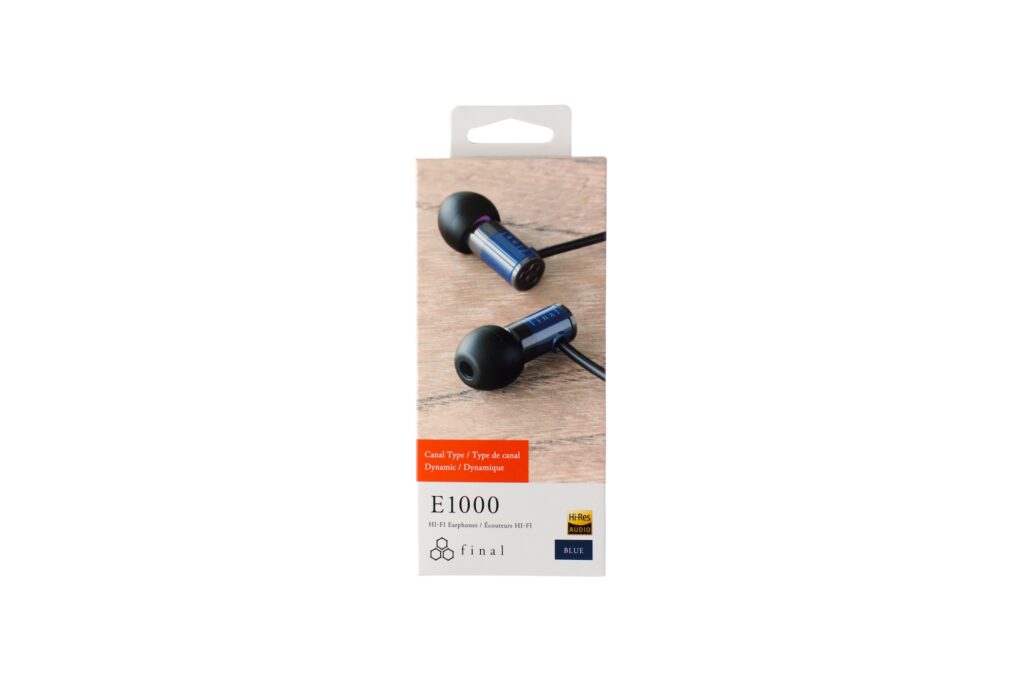
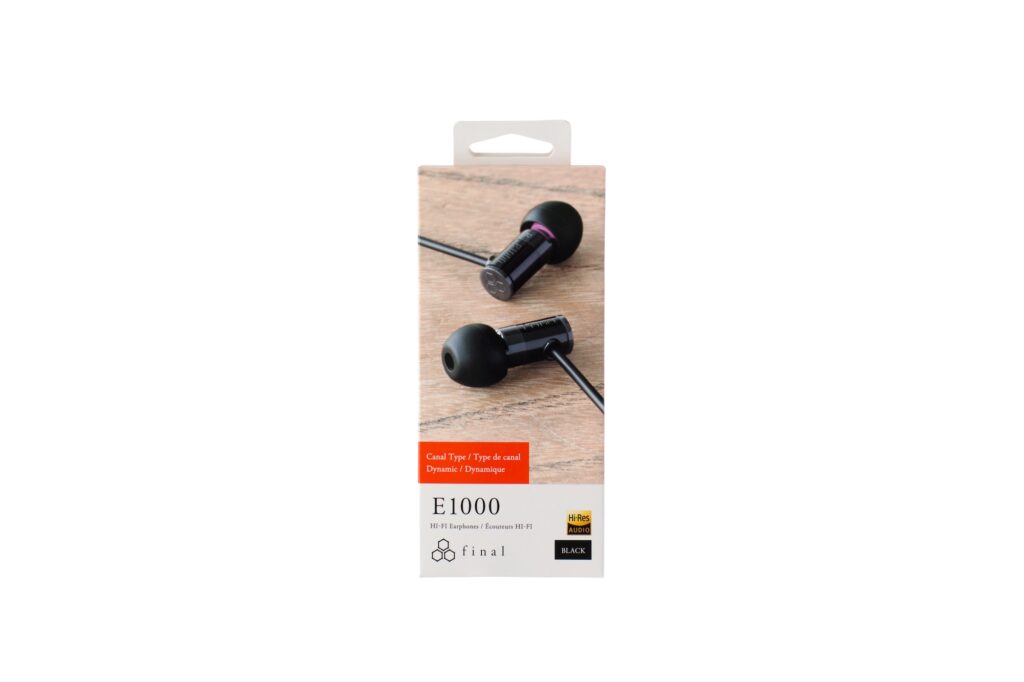
Available in three colors – RED, BLUE and BLACK.
Running-in.
Break-in refers to the phenomenon whereby the sound produced by headphones changes over time and with use.
The earphones contain a small driver; an extremely thin film diaphragm is attached to it by means of a coil and an adhesive agent.
Although this cannot be proven, we believe that in this situation, the adhesive part can possibly influence these infinitesimal movements.
By using the product for a set period of time, the diaphragm moves more easily and sound quality approaches the original design goal.
As this product has a small aperture, a long period of time is needed before the changes due to running-in become indecipherable.
In general, if the product is used normally over a period of 150 to 200 hours, it should seem that the sound has become more subtle.
A more favorable result can be obtained by running the product through the music you normally listen to at a volume you normally listen to, rather than accelerating aging by very high volumes.
How to put on headphones.
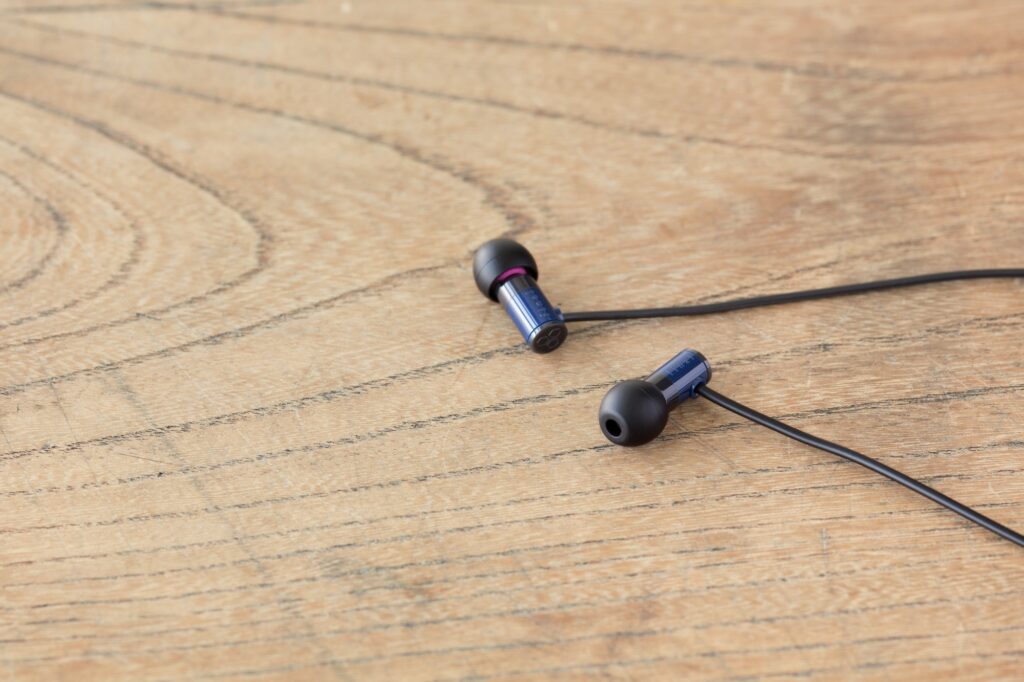
When inserting the earphones, please use the swivel mechanism and tilt the product until it fits comfortably in the ear.
Note the L (left) and R (right) indications on the back of the left and right housings.
Grasp the housing and insert the earphone into the ear canal with a slight twisting motion.
Since sound quality is strongly influenced by the position of the earpiece in the ear, move the earpiece during music playback until you find the most balanced position for you.
Once you know the position, you’ll find it more quickly over time.
* It’s normal for the shape of the left ear to differ from that of the right.
For this reason, the optimum position is different for each ear.


Reviews
There are no reviews yet.