 English
 Français
 Italiano

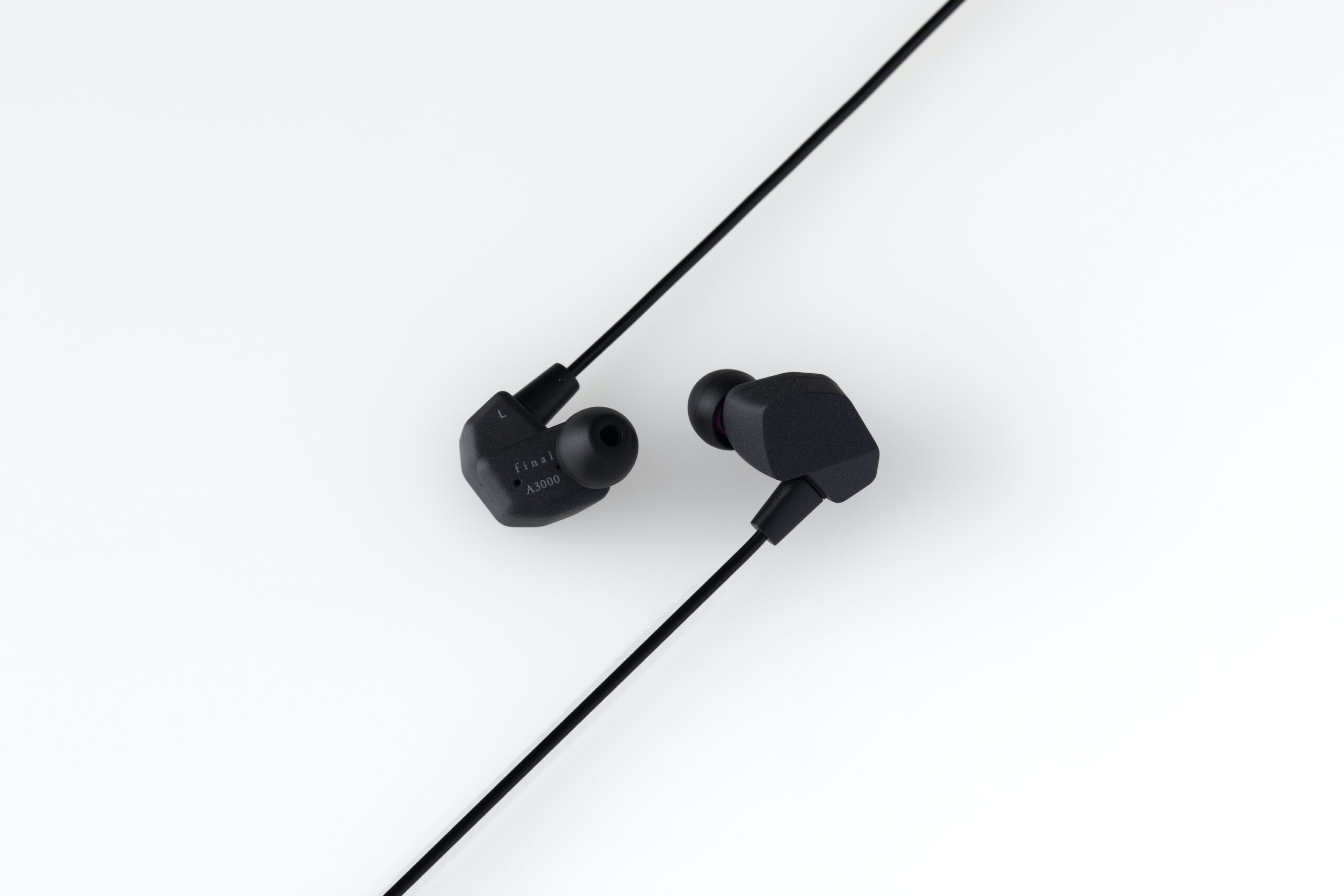
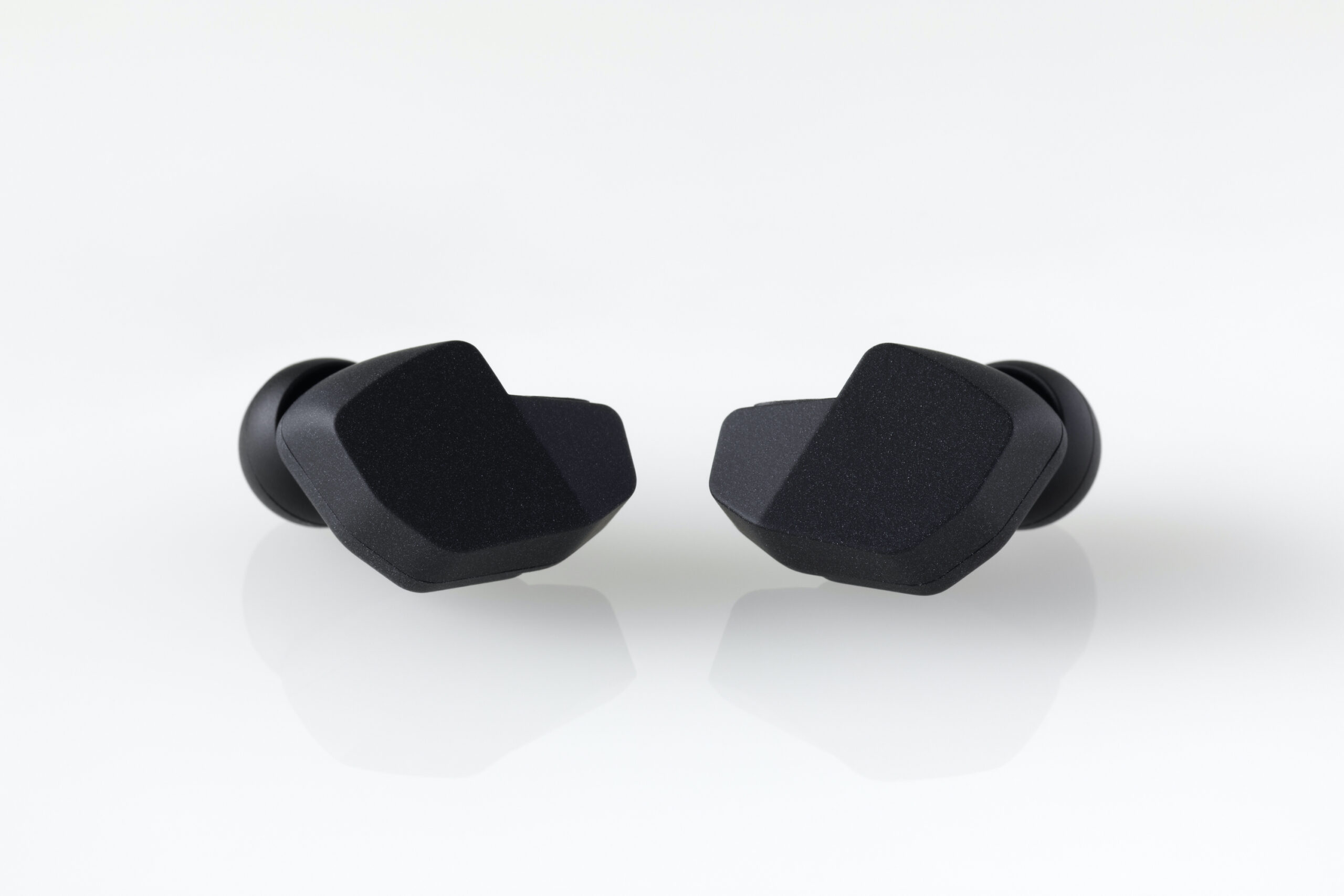
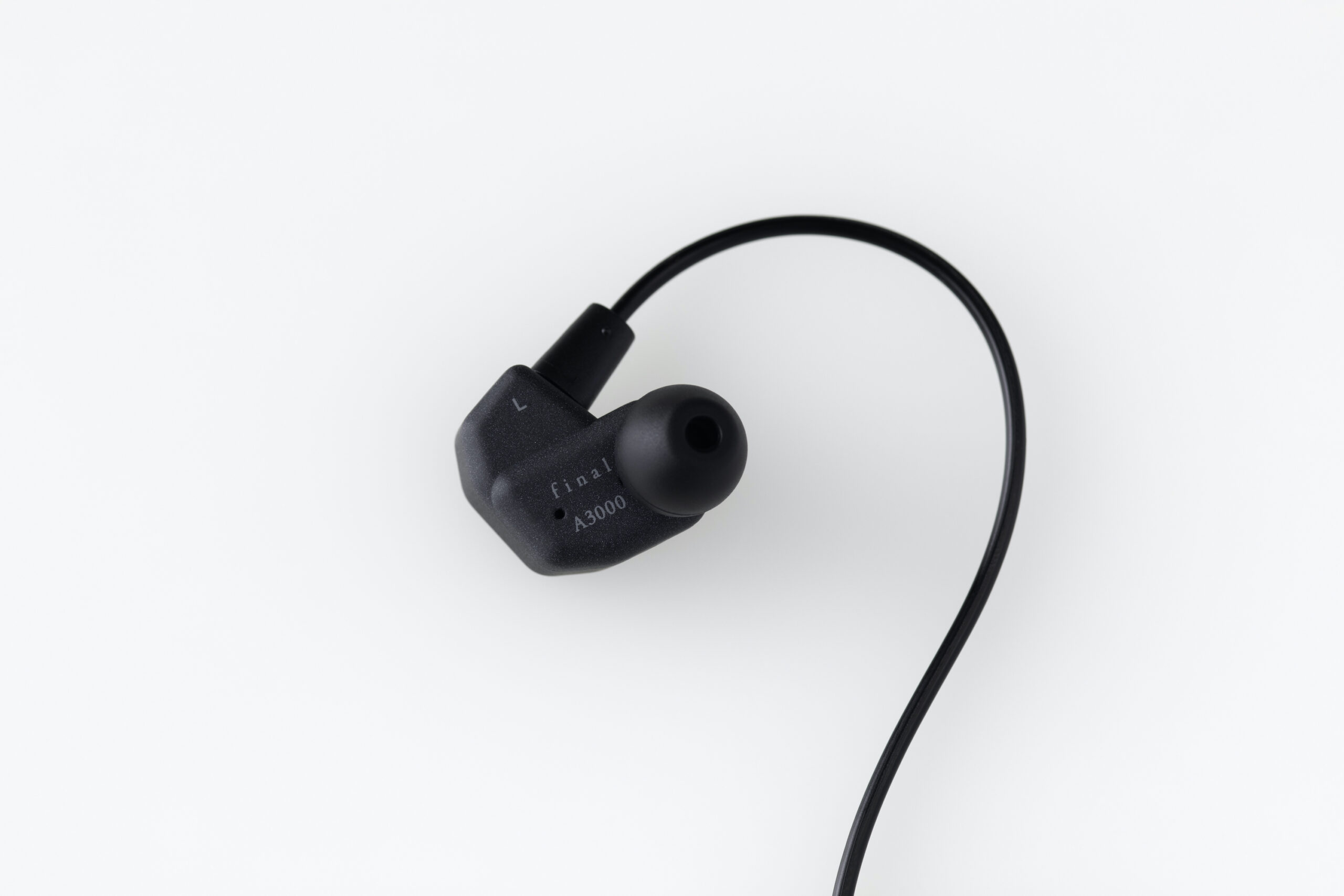

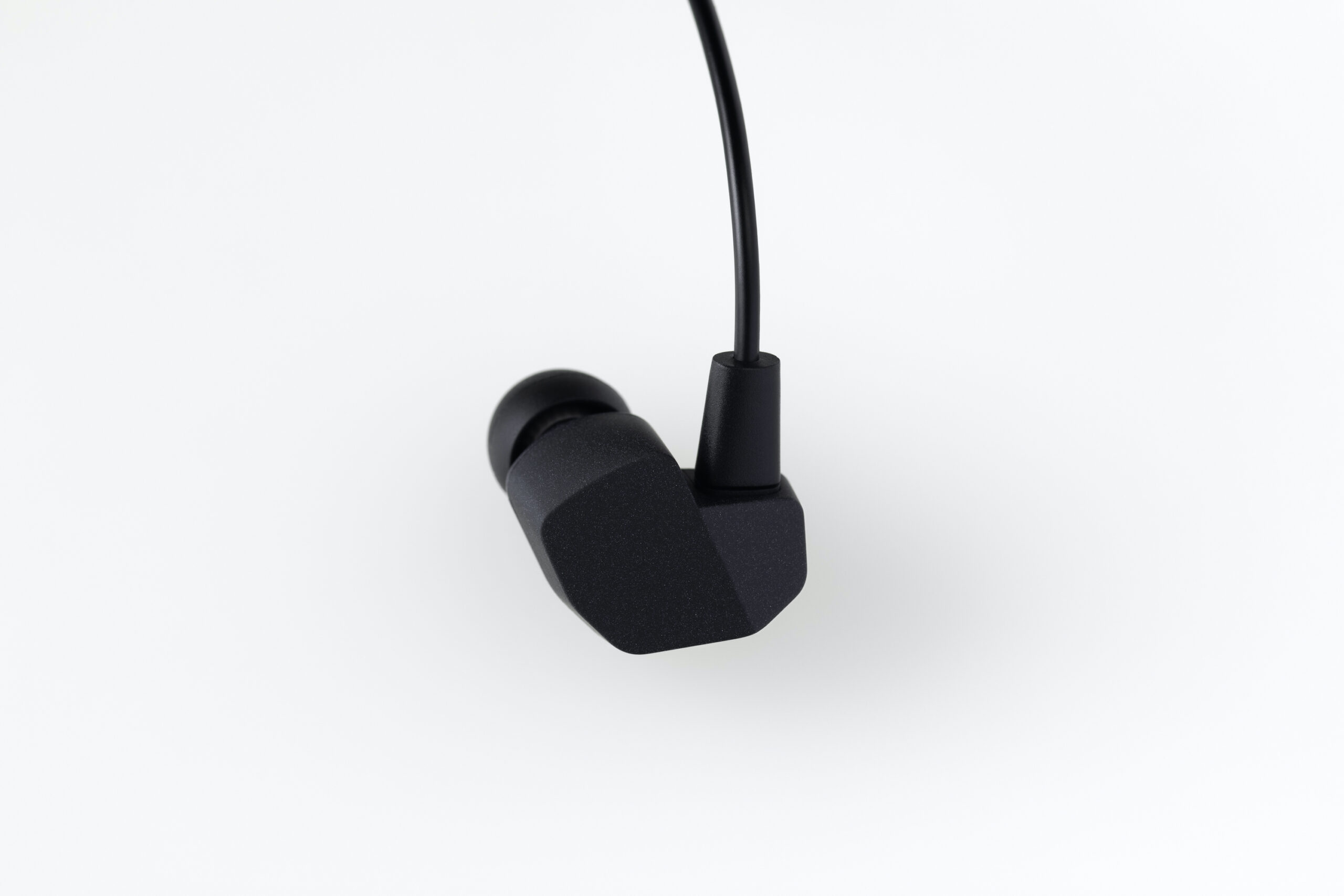
Description
A3000
The new reference with a new [f-Core DU] driver for astonishingly clear sound.
In order for the A3000 to achieve impeccable sound quality in this price range, new development and production facilities had to be put in place.
The 6 mm diameter dynamic loudspeaker requires not only new parts, but also a complete overhaul of the entire assembly, including the production machinery.
Sound design is based on our exclusive sound evaluation method, established during the development of our flagship A8000 model.
Each note in the comfortably extended low range is oriented as if it had contour lines and was floating in the air; it’s a surprisingly natural sound.
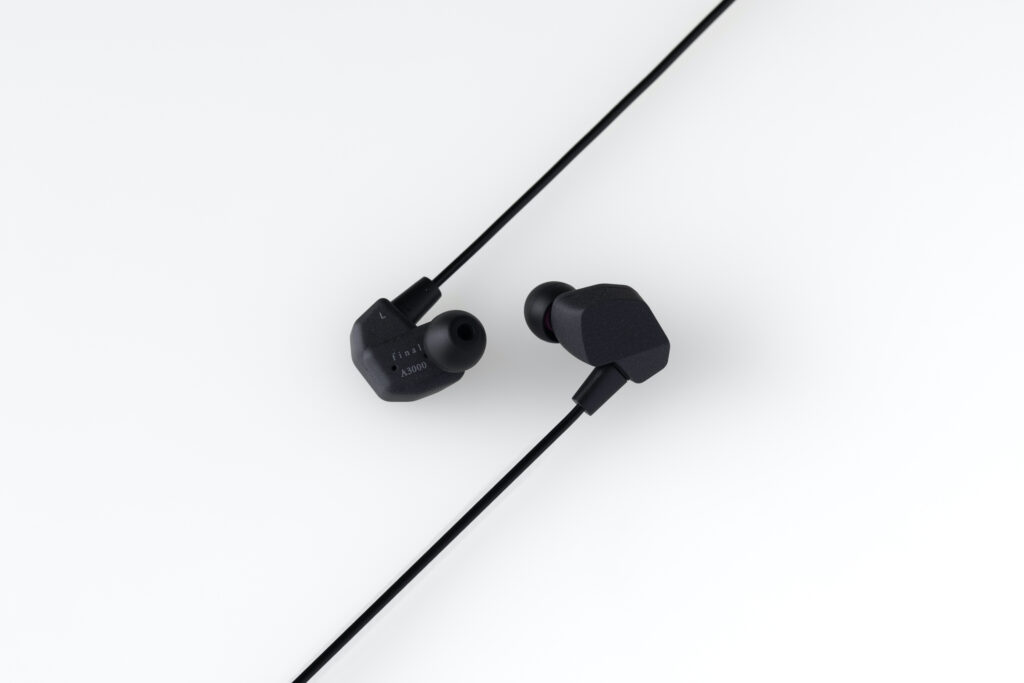
Features.
Realization of a new method for assessing sound quality.
The development of the A series began with the establishment of a new method of sound evaluation by analyzing the relationship between sound quality and physical characteristics.
The results became a reality with the A8000, and the sound evaluation method evolved further with the A3000.
We listen to recorded music with different sound qualities and levels.
However, conventional evaluation methods generally involve subjective assessment under fixed conditions, such as a constant sound pressure level, and there was no evaluation method that took into account the various practical listening conditions likely to occur when users evaluate the sound of various headphone products.
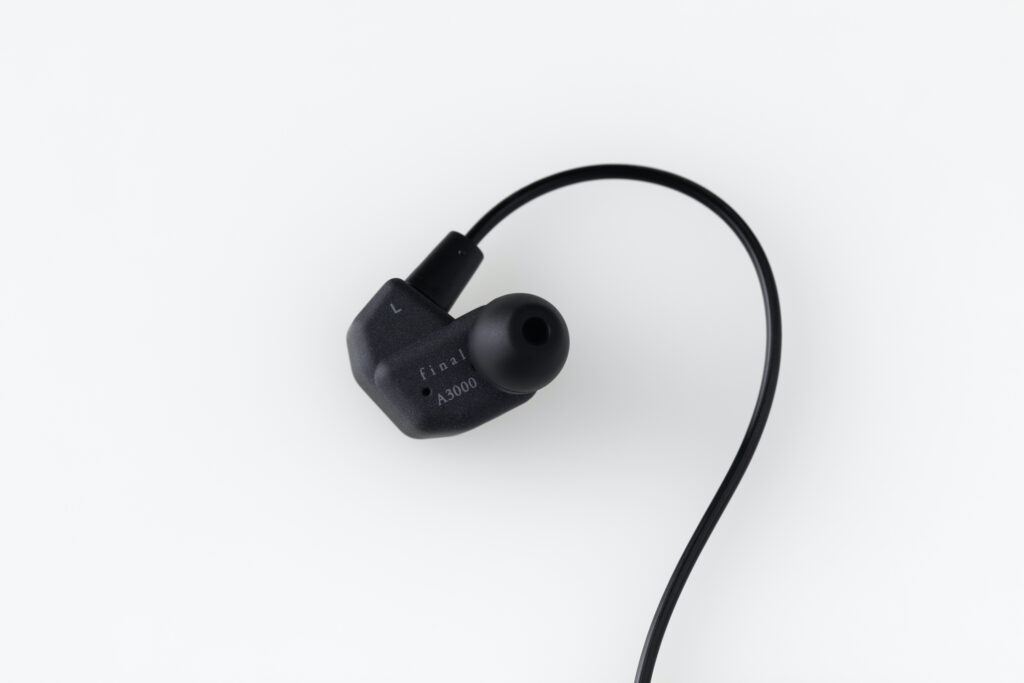
The [f-Core DU] drive unit has been completely redesigned, involving new design, new parts and new production technology.
In order to achieve a sound quality unattainable in this price range, we developed a new 6 mmφ dynamic driver [f-Core DU] from scratch.
To produce this brand-new loudspeaker, we set up new production facilities abroad and designed new parts for the loudspeaker, such as the diaphragm, voice coil, magnet, magnetic circuits and adhesives, as well as the production machinery used in the manufacturing process.
For the front speaker housing, we used brass rather than traditional aluminum, a material that is both highly resistant to the effects of magnetism and has a high specific gravity.
To increase the diaphragm’s temporal response, the voice coil uses 30μ ultra-thin CCAW, and a minimum of adhesive is used for assembly to considerably lighten the moving parts.
In addition, the diaphragms are carefully pressed in small batches of about 1/3 the normal size, to minimize pressure deviations and produce a uniformly shaped diaphragm without deformation.
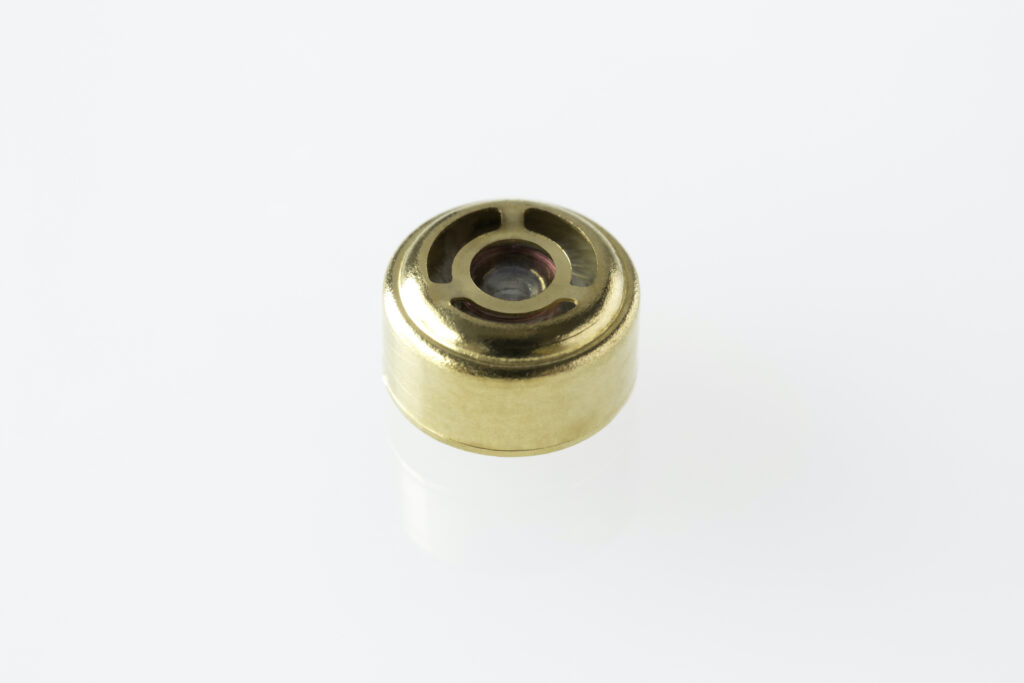
The feel of a personalized fit.
Based on the chassis design that provides an ideal solution for in-ear headphones, established during the development of the B series, the A3000 offers a superior fitting feel.
It’s the feeling of oppression that determines whether or not the headphones offer a better feeling of support.
While, at first glance, it may seem correct to choose an ergonomic shape and hold it in place thanks to the elasticity of silicone, this still exerts pressure on the ear, creating an involuntary burden and leading to the accumulation of fatigue.
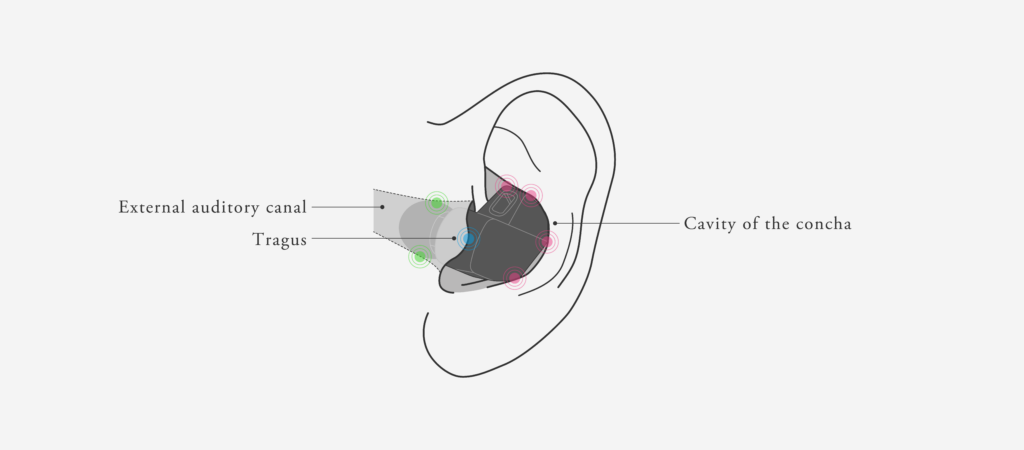
By limiting the area of contact with the ear, as opposed to an ergonomic shape that comes into contact with a large part of the ear, this product aims to achieve a sensation of fit without a feeling of oppression.
The green section of the diagram below (earpiece) is the first position, the blue section (Tragus) is the second position and the pink section (concha cavity) is the third position, contributing to ultimate stability and fit.
That’s why it suits the ears of many different people.
Since there’s no feeling of oppression at any of the contact points, this gives a feeling of comfort and superior quality for fitting a custom earpiece.

Ear hooks to reduce cable contact noise (with locking mechanism).
An ear hook is effective in reducing contact noise; wearing it while walking considerably reduces the unpleasant noise that can occur when the cable rubs against the body (cable contact noise).
In the past, our company’s ear hooks were generally thinner than ordinary hooks and virtually indistinguishable from rosin-filled wire or cable, making them so comfortable that it was easy to forget you were wearing them.
This is a type of hook with a latch (type B) capable of holding the cable firmly in place.
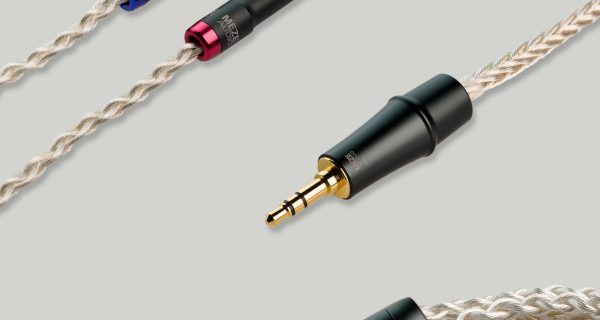
2-pin connector + original OFC cable.
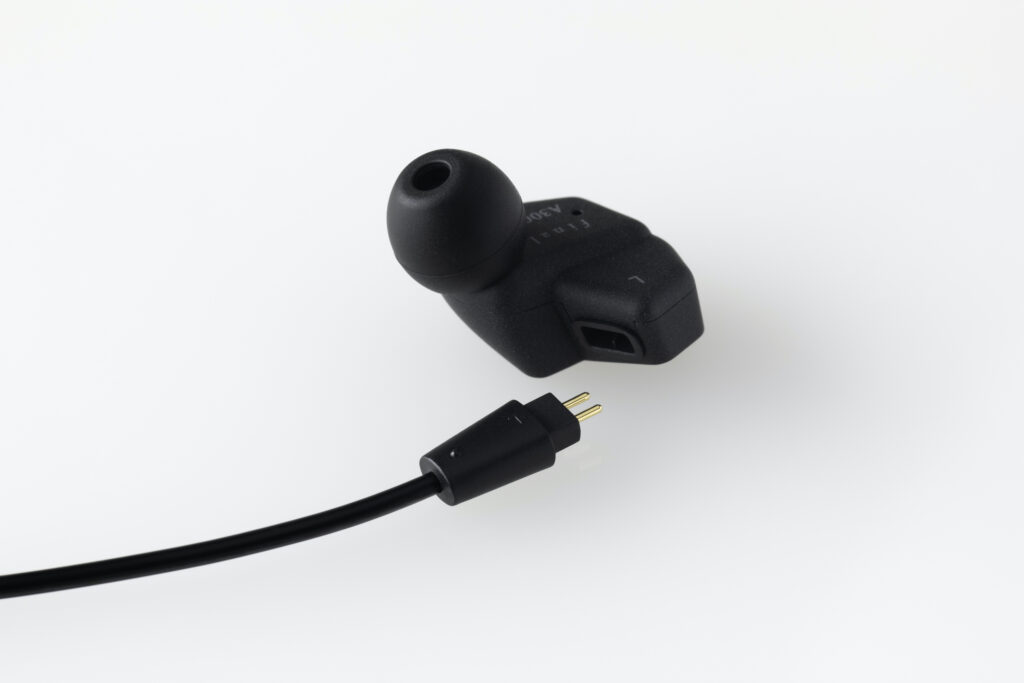
The 2-pin connector is a high-precision part developed in-house.
The plug uses the highest versatility standard φ0.78.
The cable uses a soft, flexible coating material designed with contact noise in mind, and bends flexibly when used with an ear hook to achieve a snug fit.
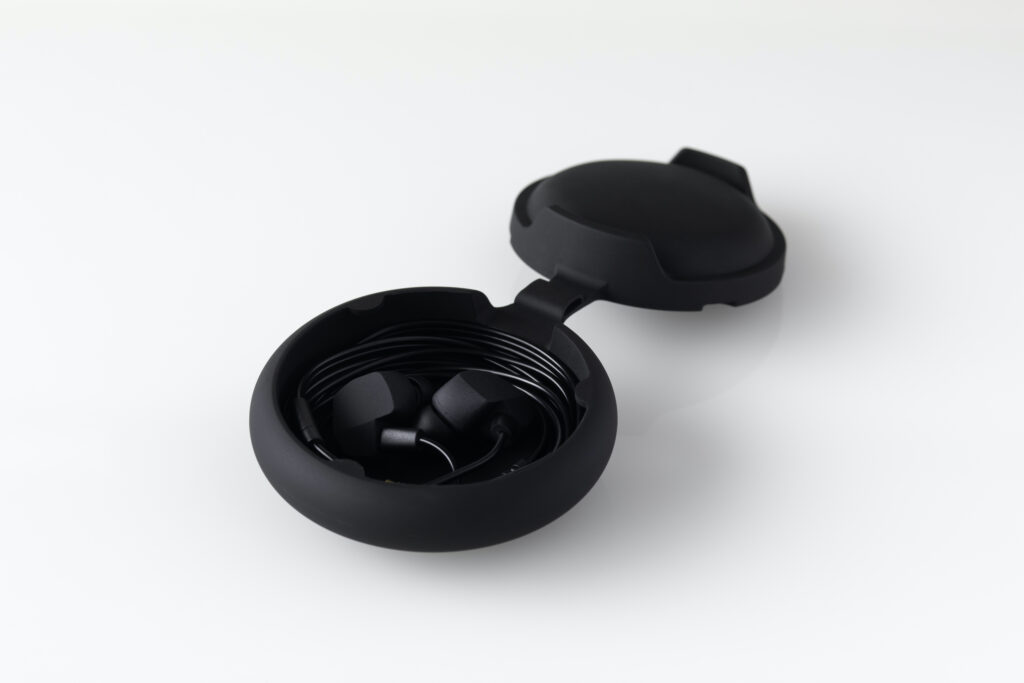
Silicone case.
Thanks to this silicone case, cables can be rolled up and stored easily.
The earphones themselves are delicately secured with thin, dome-shaped silicone protectors.
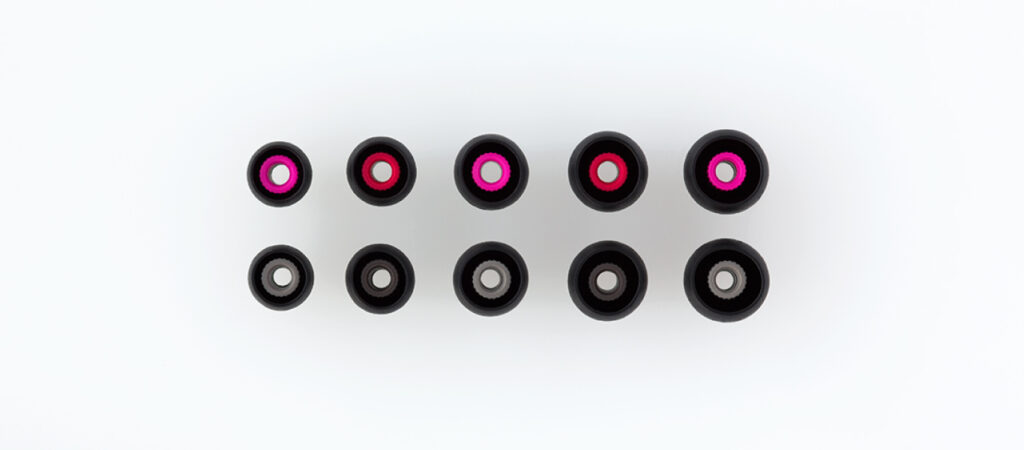
Original tips with a color difference between left and right.
Two types of silicone of different rigidity are used for the sound duct and for the earmold that comes into contact with the user’s ear.
The silicone used for the sound duct is stiffer than that used for the earpiece, and thanks to the groove treatment applied to it, it combines both strength and flexibility.
The soft silicone used for the earpiece provides a comfortable fit and a high level of sound insulation.
By pulling the earpiece back slightly to check the color of the tip, it’s easy to distinguish left from right, even in poorly lit areas.
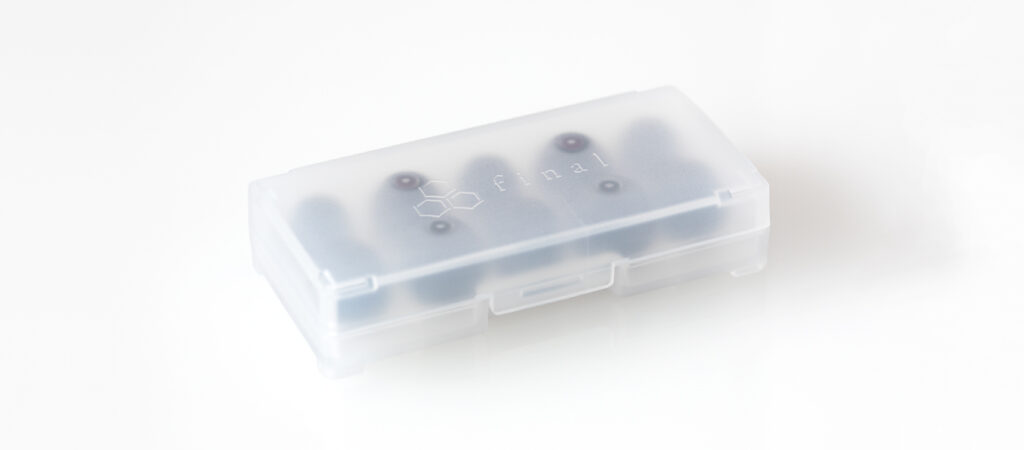
As the colors of the pads of neighboring sizes are different(gray pads alternate between dark and light gray; red pads alternate between red and pink), it’ s also easy to distinguish between sizes.
Aging.
Ageing refers to the phenomenon whereby the sound produced by headphones changes over time and with use.
The earphones contain a small driver; an extremely thin film diaphragm is attached to it by means of a coil and an adhesive agent.
Although this cannot be proven, we believe that in this situation, the adhesive part can possibly influence these infinitesimal movements.
By using the product for a set period of time, the diaphragm moves more easily and sound quality approaches the original design goal.
As this product has a small aperture, it takes a long time for the changes due to ageing to become indecipherable.
In general, if the product is used normally over a period of 150 to 200 hours, it should seem that the sound has become more subtle.
A more favorable result can be obtained by aging the product by listening to the music you normally listen to at the volume you normally listen to, rather than by accelerating aging with very high volumes.
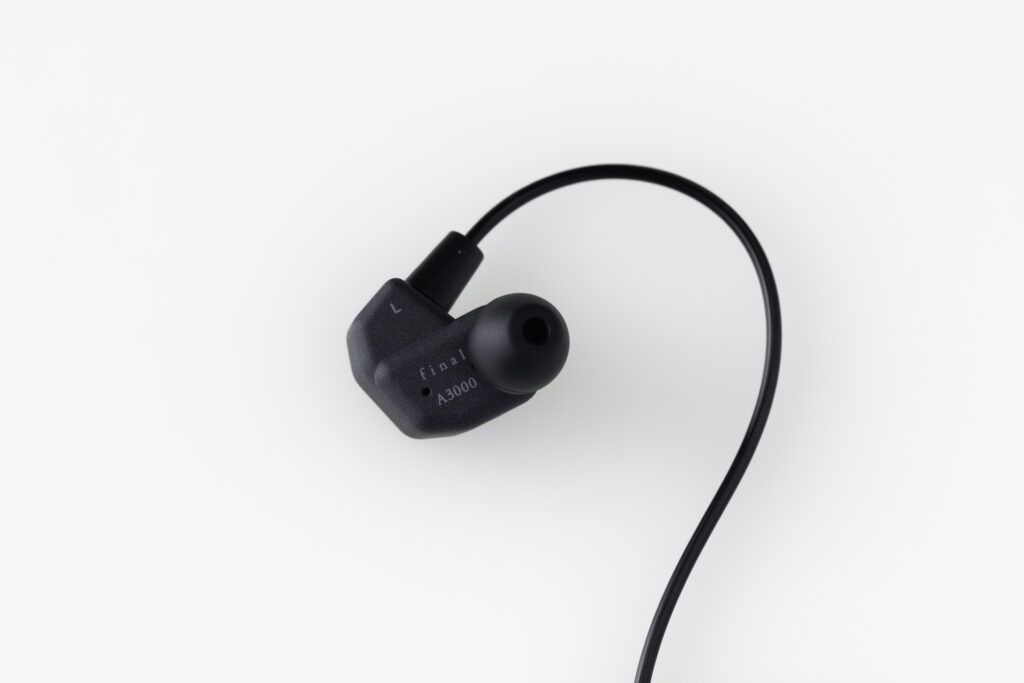
How to wear headphones.
STEP 1: Pass the cable behind the ear and insert the earphone into the ear, R corresponds to the right and L to the left.
STEP 2: If it’s difficult to insert the earphone into the concha cavity, try inserting the earphone while pulling the earlobe back and up a little.
* If the cable doesn’t fit behind the ear, use the“ear hook” accessory.
* If the fit is too loose, try resizing the sleeve.



Reviews
There are no reviews yet.