 English
 Français
 Italiano

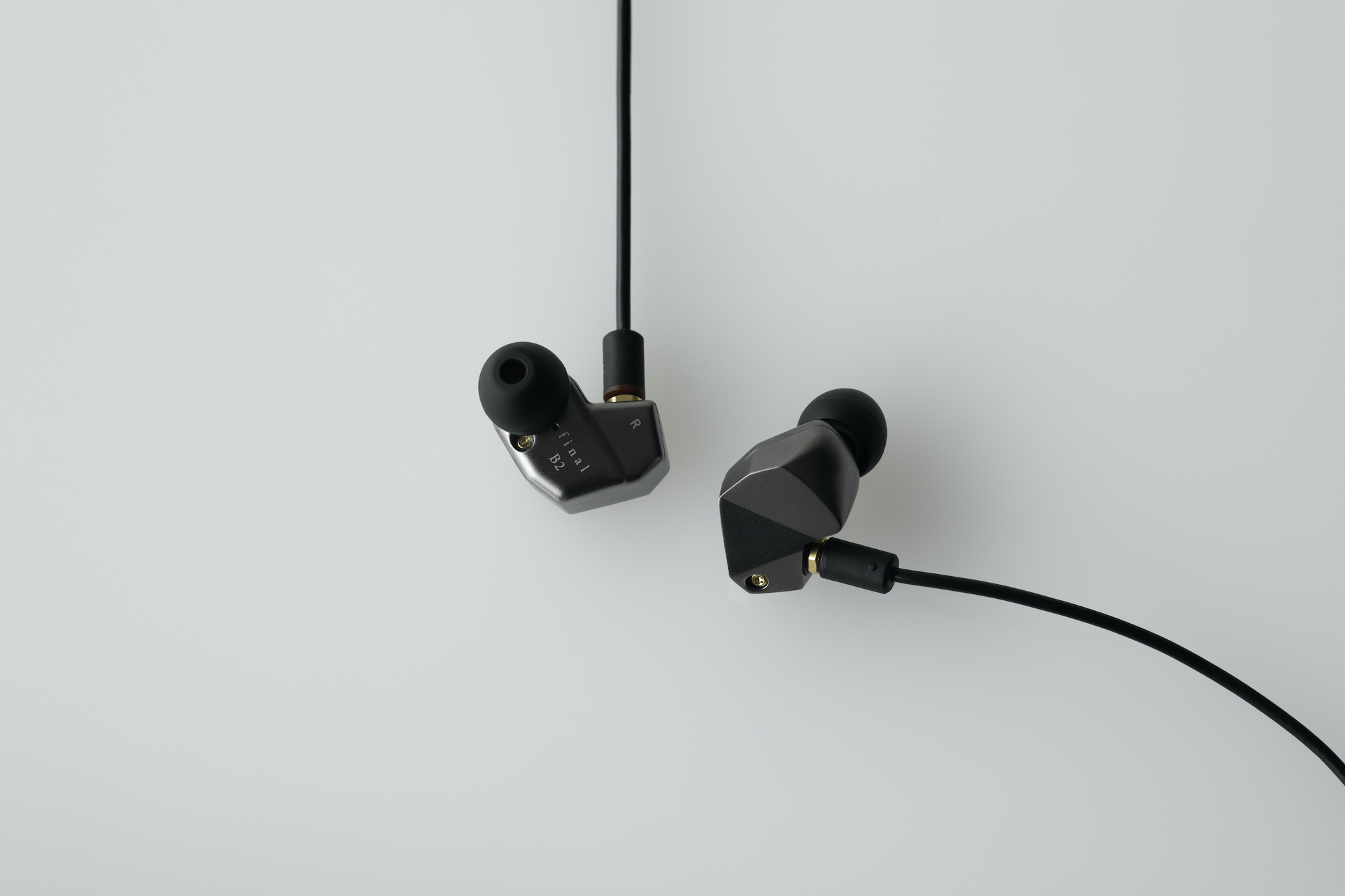

Description
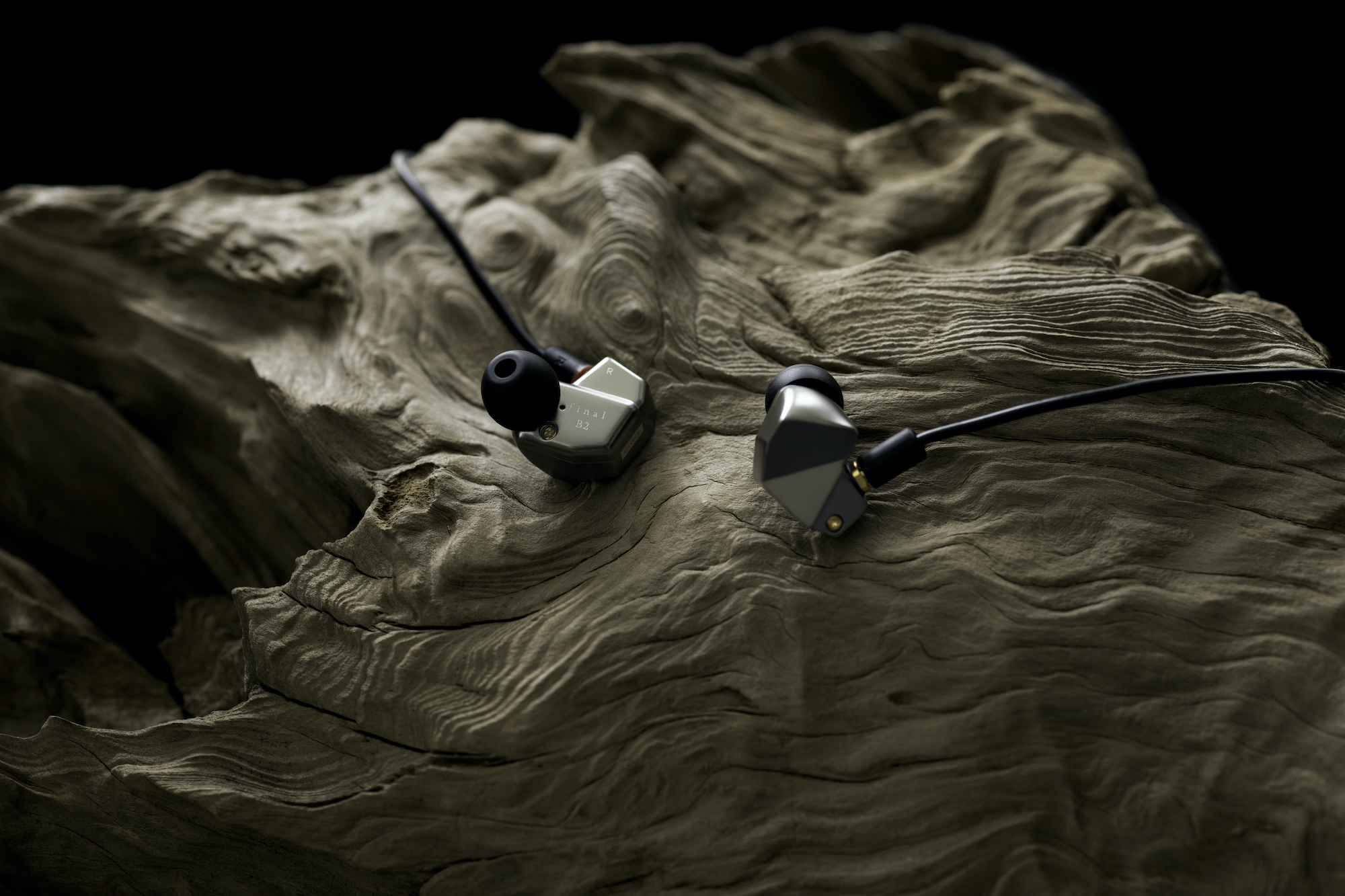
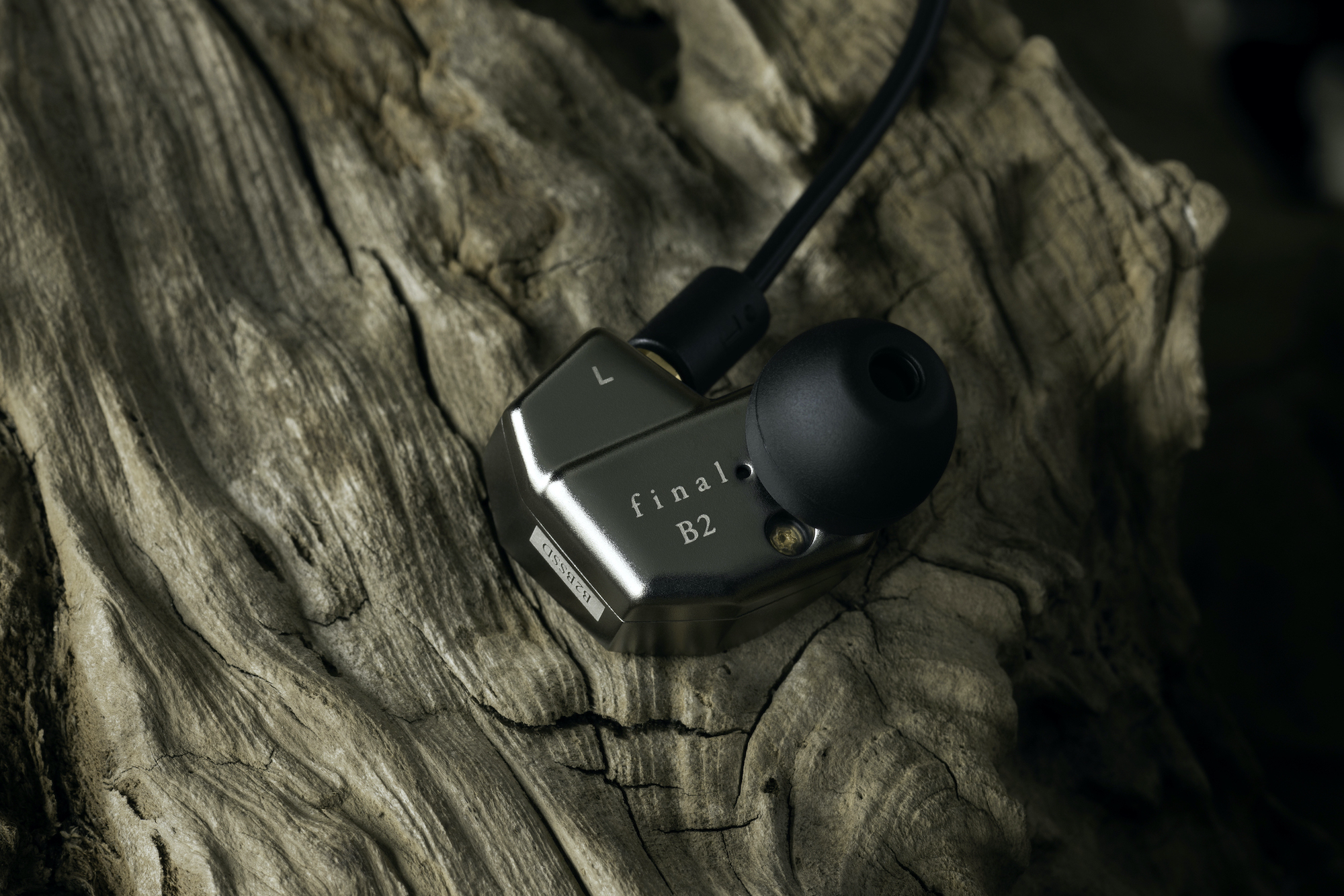
B2
Sound quality design is based on “the relationship between the sound field and dynamic range of music and the physical characteristics of headphones and earphones”.
The B2 is particularly suited to recordings with a rich sound field.
It is ideal for recordings that take full advantage of the reflections and reverberations of concert halls, such as classical music, and for mixing sound sources designed to reproduce the atmosphere of a venue, such as live recordings.
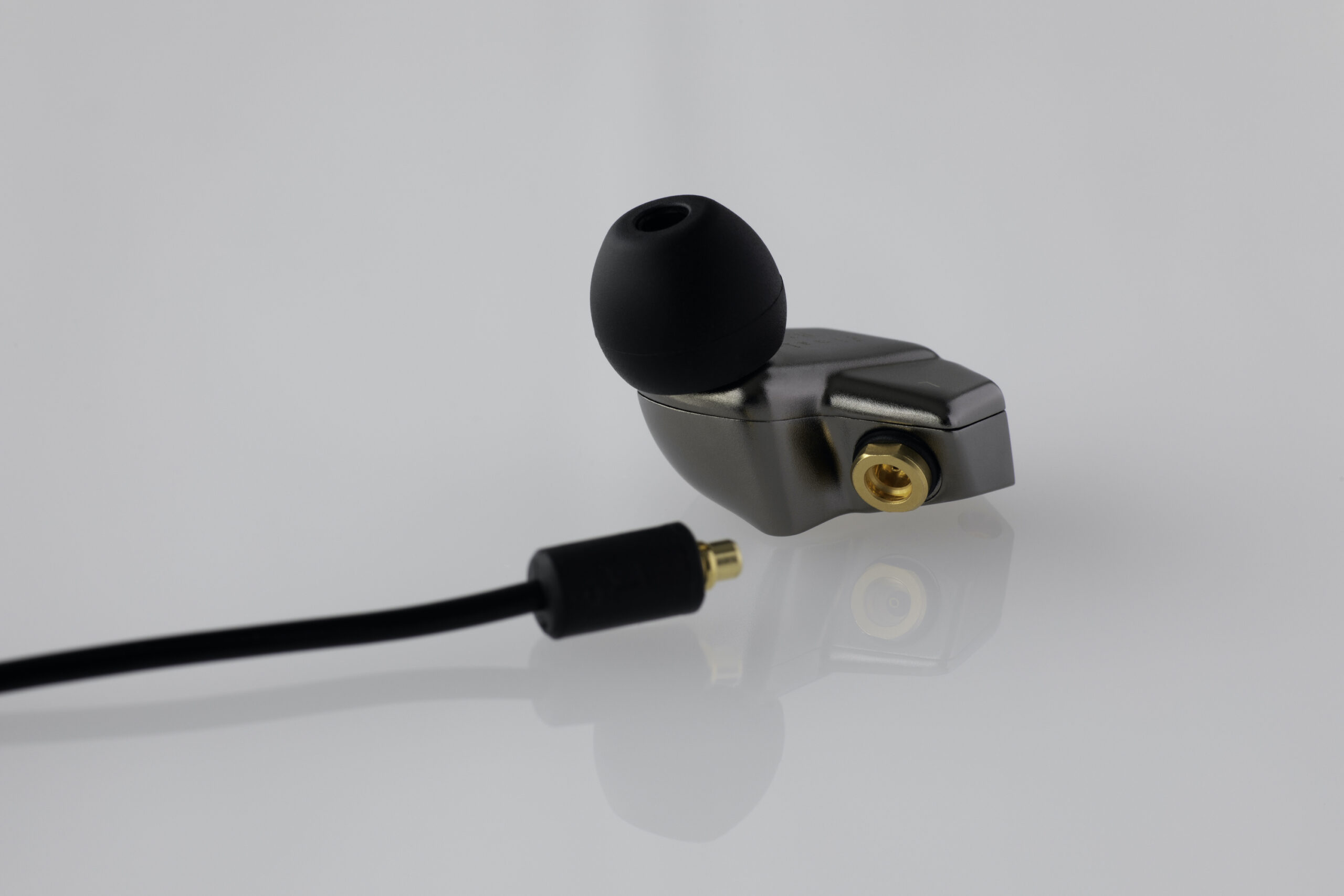
What’s more, the reversible cable type with MMCX terminals means that the cable can be replaced in the unlikely event of a broken wire.
Features.
Sound design taking into account the relationship between the spatial impression and the dynamic range of the music, as well as the physical characteristics of headphones and earphones.
The sound design of these models was undertaken with attention to the relationship between the spatial impression and dynamic range of the music, and the physical characteristics of the earphones and headphones.
We have classified sound creationon musical recordings according to these two axes: spatial impression and dynamic range.
One way of thinking about this is in terms of distance perception.
Classical and jazz recordings are thought to be made with anemphasis on aspects of space, such as the sense of distance, fullness and reverberation.
On the other hand, in rock and pop recordings, and in many recent animation soundtracks, space is not emphasized to the same extent.
We think the emphasis is more on clarity, which brings out the best in the various instruments and vocals.
Another approach is dynamic range – in other words, changes in sound volume over time.
If the dynamic range is wide, it is of course possible to use the variation in sound volume over time to achieve a more dynamic expression of the music.
But there are types of music for which it is preferable to record narrower dynamic ranges, to allow each instrument and voice to appear normally before the listener’s eyes.
The difference between these two ways of thinking lies not in the superiority of one or the other, but rather in the way music is composed and what is required of it.
When it comes to classical music, and orchestral music in particular, the spatial orientation of the instruments is particularly important.
String instruments are placed as close as possible to the audience, while wind and percussion instruments are placed behind them.
If the balance between the spatial orientation and volume of each instrument group were to break down, the music would fall apart.
For this reason, this type of music does not demand a uniform clarity of sound that allows each instrument to appear before the listener’s eyes.
Even for classical music, a string quartet, for example, would have a narrow dynamic range, and the clarity of each instrument would be more important.
For rock and pop music, on the other hand, space is not as necessary as it is for classical music, so the emphasis is on clarity rather than space.
These prerequisites are very important, especially for listening through headphones and earphones, and it has become clear that the implementation of appropriate target curves and loudspeaker design enhances music enjoyment.
Please refer to the graph below, with space and musical clarity on the X axis and dynamic range on the Y axis.
While our E3000 was designed to target the center of the chart, the B series is positioned outside this area.
In other words, compared to the E series, the B series is positioned more as a model for listening to a specific type of music, and you may find yourself so captivated by it that you can’t live without it.
This appeal is typical of the products we make.
The B2 is particularly well suited to rich spatial recordings.
It’s perfect for classical music recordings that take advantage of the reflections and reverberation of a concert hall, as well as live recordings that reproduce the feeling of being “on location”.
What’s more, the B2 uses an MMCX connector that allows you to change cables if the connection breaks.
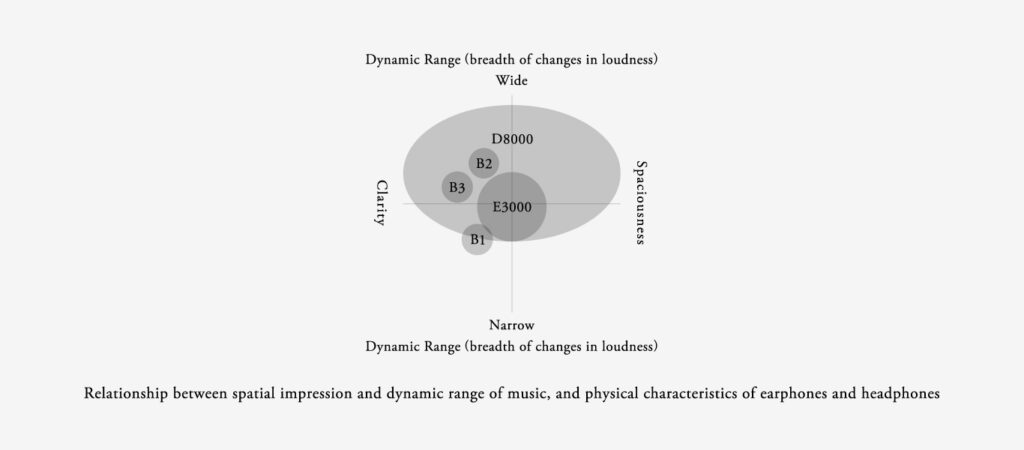
*Dynamic range (breadth of changes in loudness).
* Wide.
*Clarity: clarity.
* Spaciousness.
* Narrow.
*Relationsheep between spatial impression and dynamic range of music, and physical characteristics of earphones and headphones.
The feel of a personalized fit.
The quality of an earphone’s fit is determined by the presence or absence of a pressure sensation.
There are products on the market with ergonomically curved, organically curved surfaces that should be suitable for placement somewhere in the ear, but as the holding positions of these shapes exert pressure on the ear, fatigue builds up over time.
Going back to basics with our low-pressure adjustment thinking, we arrived at a way of thinking that involves 2 hold positions and 1 assist position to prevent slipping.
Just like a tripod, a stable fit can be ensured for any chassis thanks to 3 holding positions.
In the green section of the diagram below (earpiece), there is 1 position, in the blue section (tragus), 1 position, and in the pink section (concha cavity), 1 position, for a total of 3 positions.
The tragus secures an earpiece with an auricle so that it’s difficult to feel tension even when force is applied, and the pink section adopts a fitting method in which the earpiece is supported in place by the concha cavity so that it doesn’t slip.
By clearly identifying contact points, more people’s ears can conform to a fit without feeling pressure.
If there’s no sensation of pressure, wearing the earpiece will feel much more comfortable, and in this way it provides the superior wearing experience of an apparently customized earpiece.
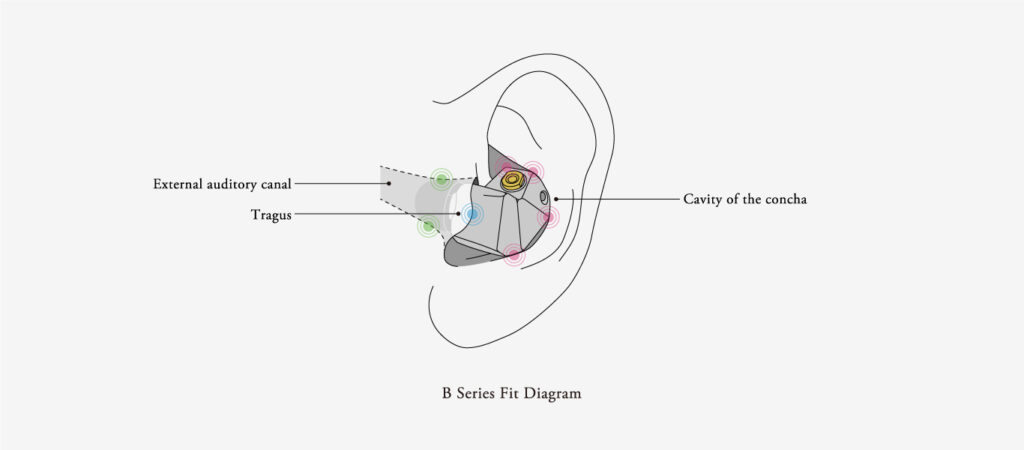
*External auditory canal .
*Cavity of the concha: Cavité de la conque.
*B series fit diagram: Schéma d’adaptation de la série B.
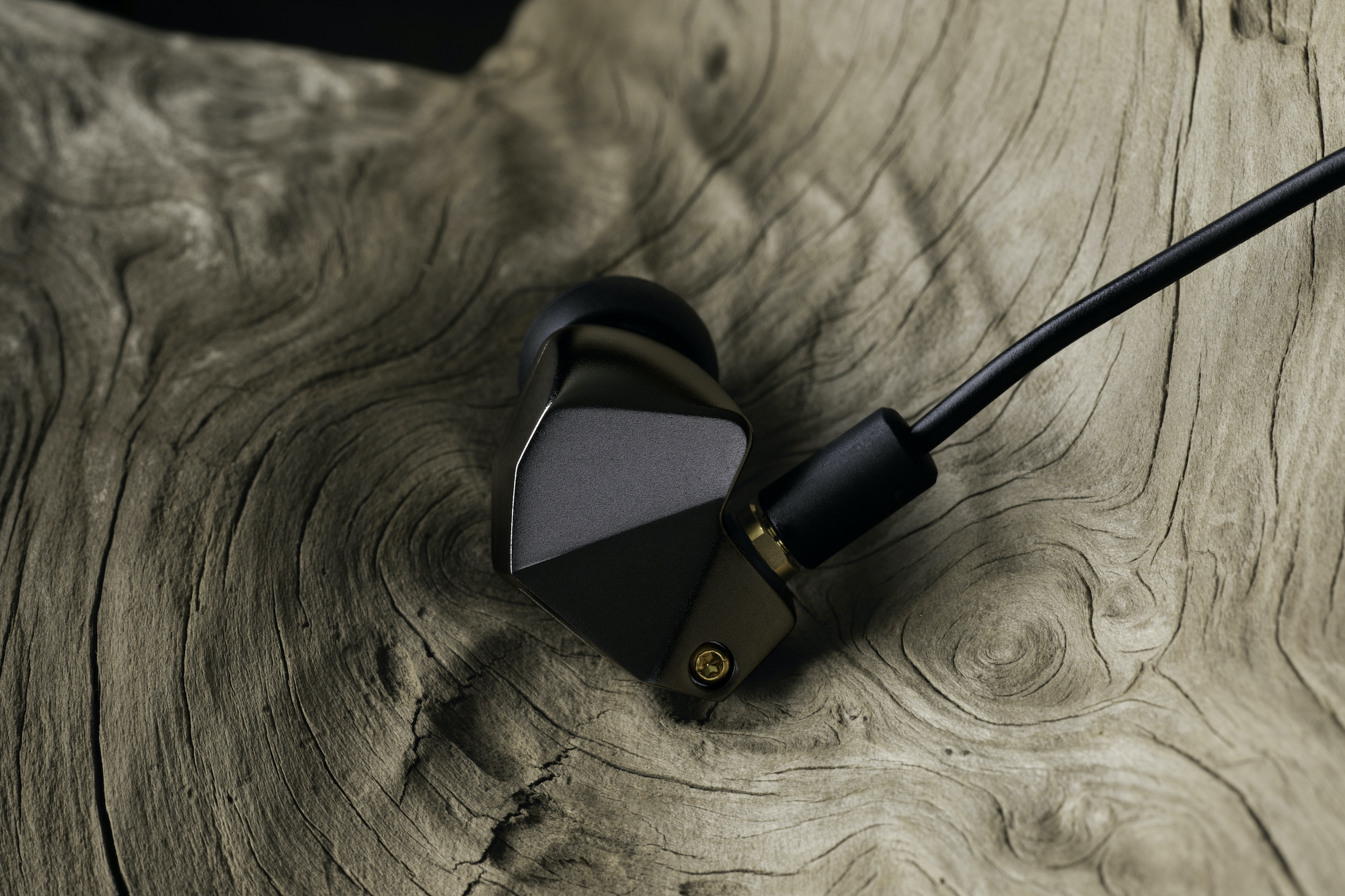
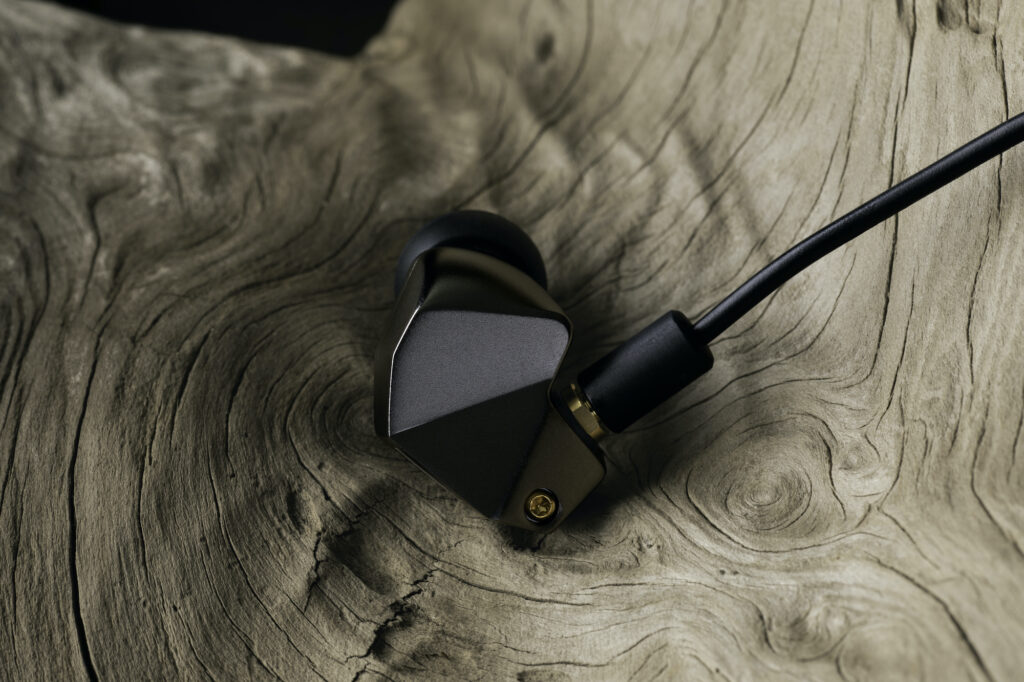
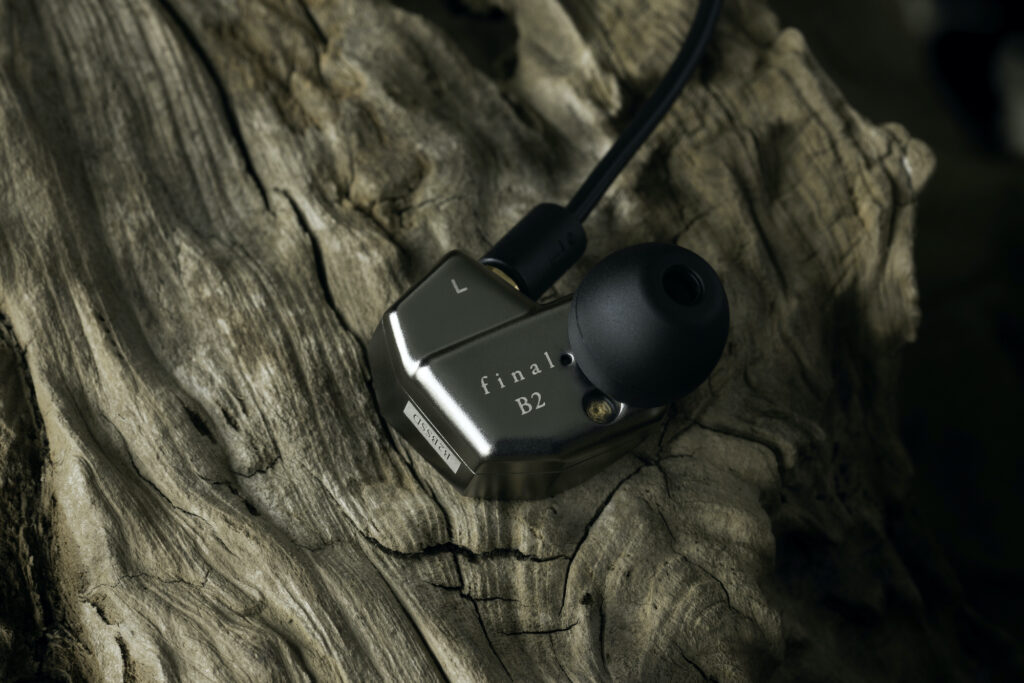
MIM (metal injection molding) stainless steel case.
MIM involves mixing a fine metal powder with a binder, molding it like a resin, then casting it at high temperature.
As with molded resin, there’s a great deal of freedom in terms of shape, and even though it’s a metal, it’s possible to design the interior in complex shapes.
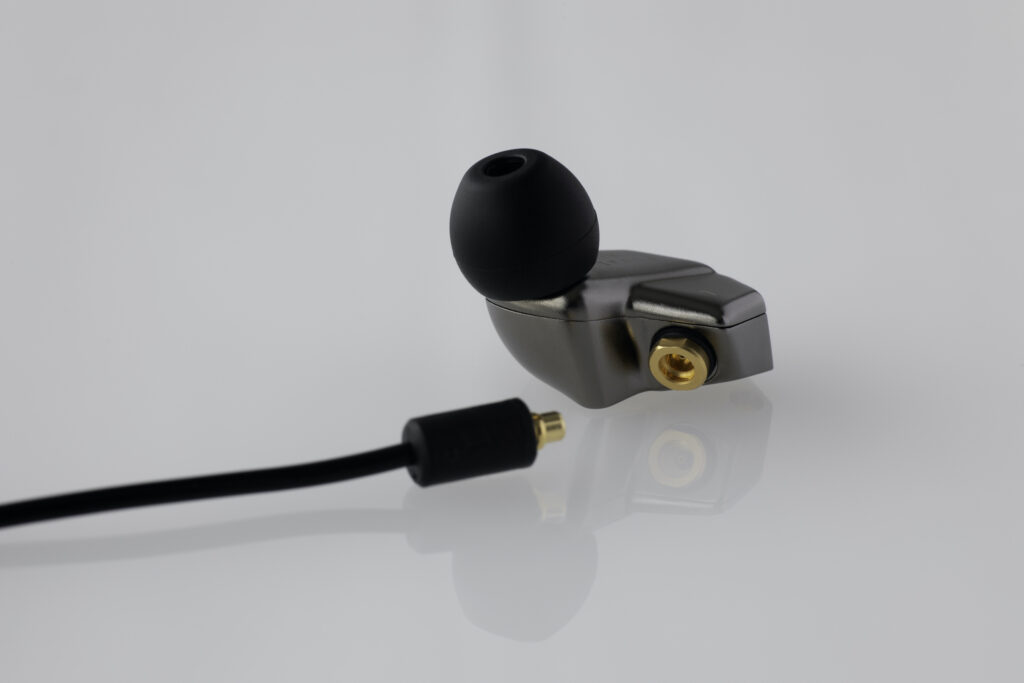
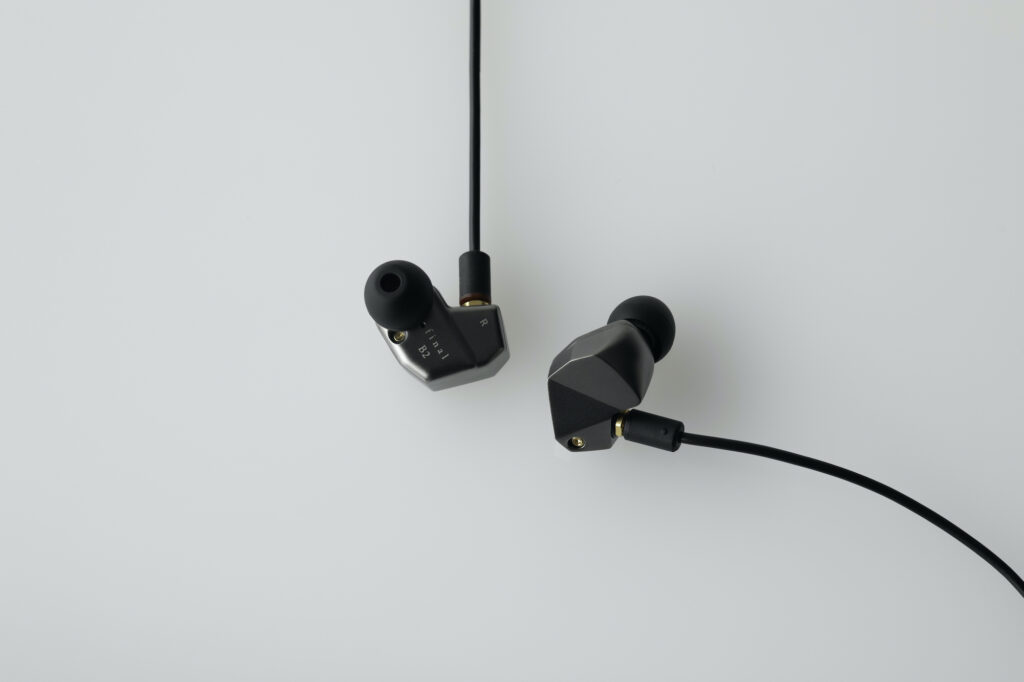
MMCX connector + original OFC cable.
The MMCX connector is a product developed in-house.
The cable has a soft, flexible sheath that takes contact noise into account.
It bends when ear hooks are used, guaranteeing a good fit..
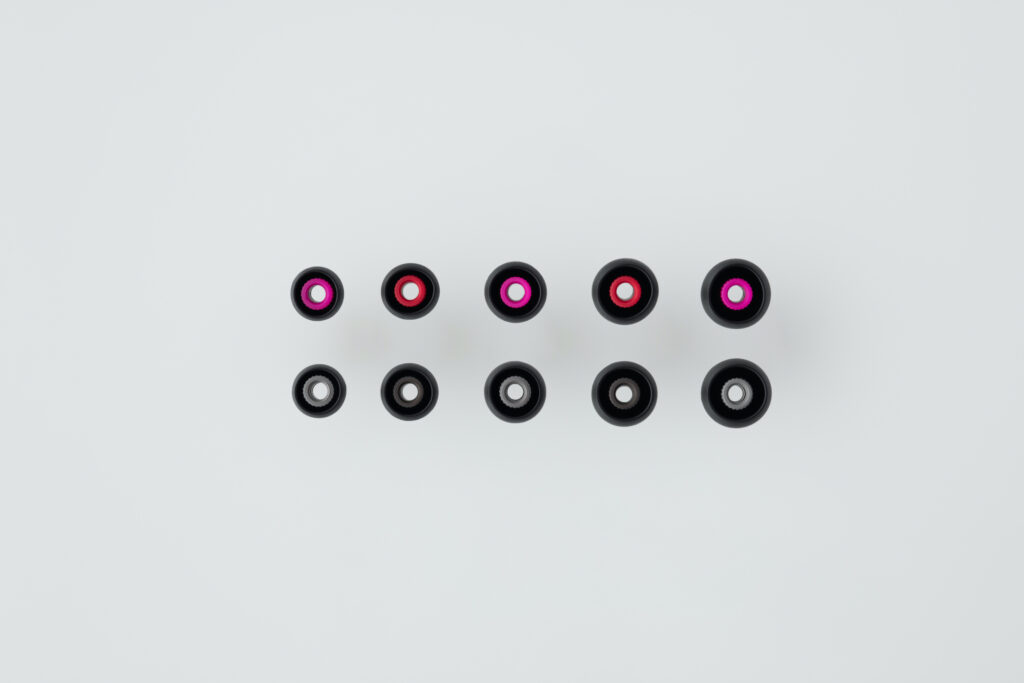
Original tips with a color difference between left and right.
Two types of silicone of different rigidity are used for the sound duct and for the earmold that comes into contact with the user’s ear.
The silicone used for the sound duct is stiffer than that used for the earpiece, and thanks to the groove treatment applied to it, it combines both strength and flexibility.
The soft silicone used for the earpiece provides a comfortable fit and a high level of sound insulation.
Since the colors of the pads of neighboring sizes are different(gray pads alternate between dark and light gray; red pads alternate between red and pink), it’ s also easy to distinguish between sizes.
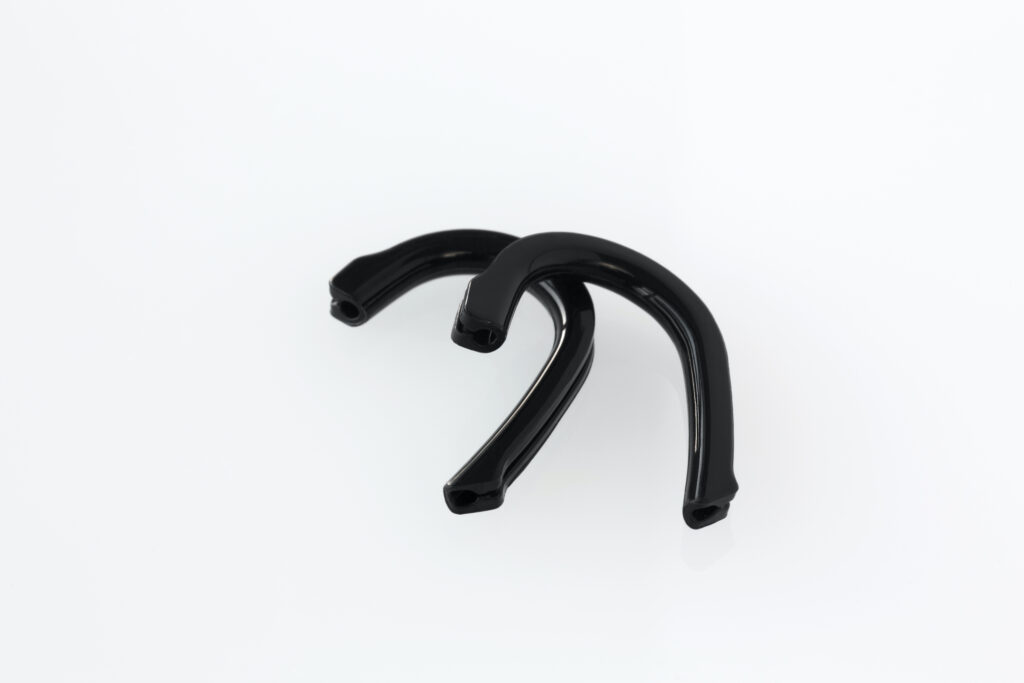
Ear hooks to reduce cable contact noise.
Ear hooks are useful for reducing contact noise. When worn, they considerably reduce the unpleasant noise caused by the cable coming into contact with the body when walking.
Our conventional ear hooks are thinner than most ear hooks and are more comfortable and less foreign to the ear than cables with wires or plastic.
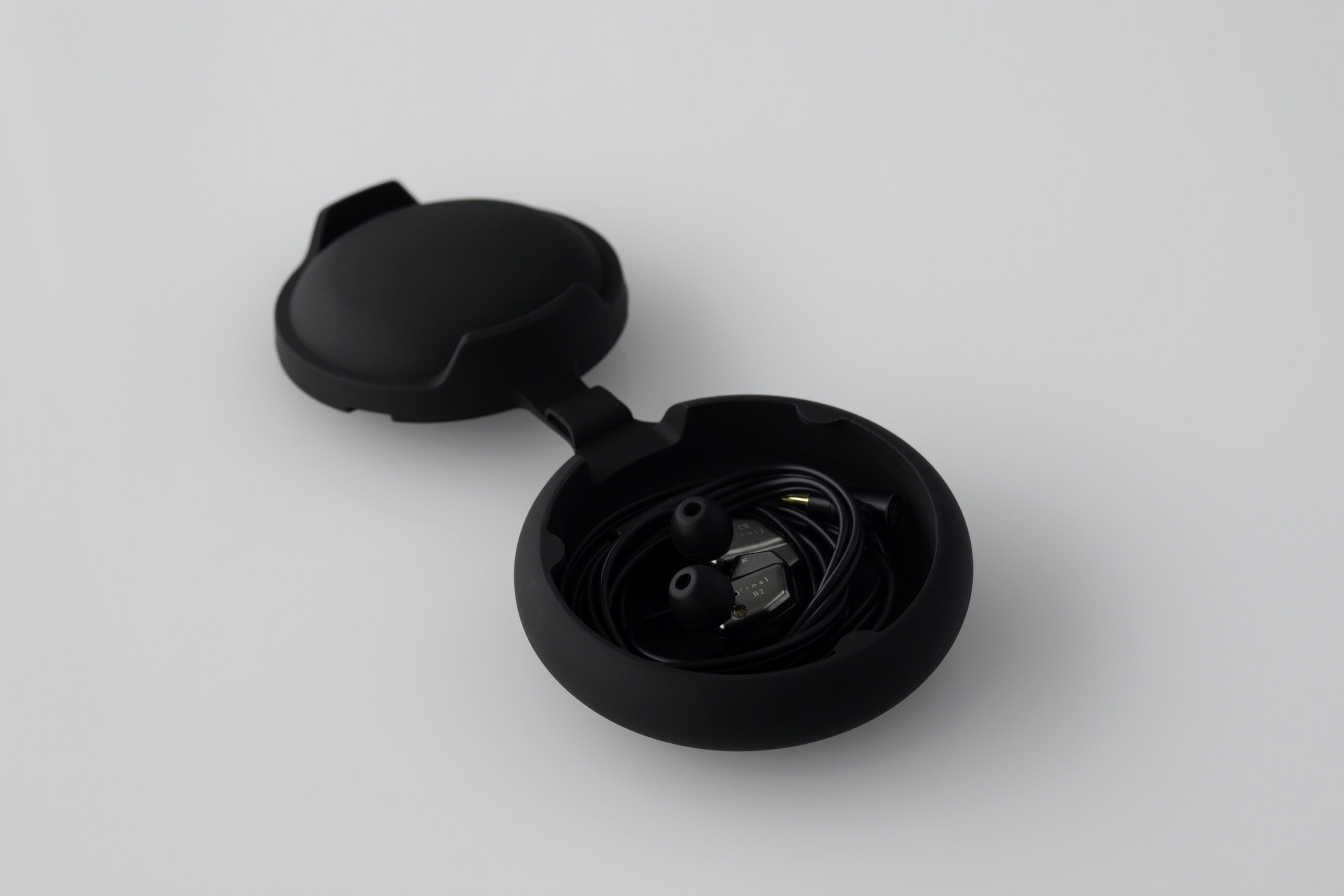
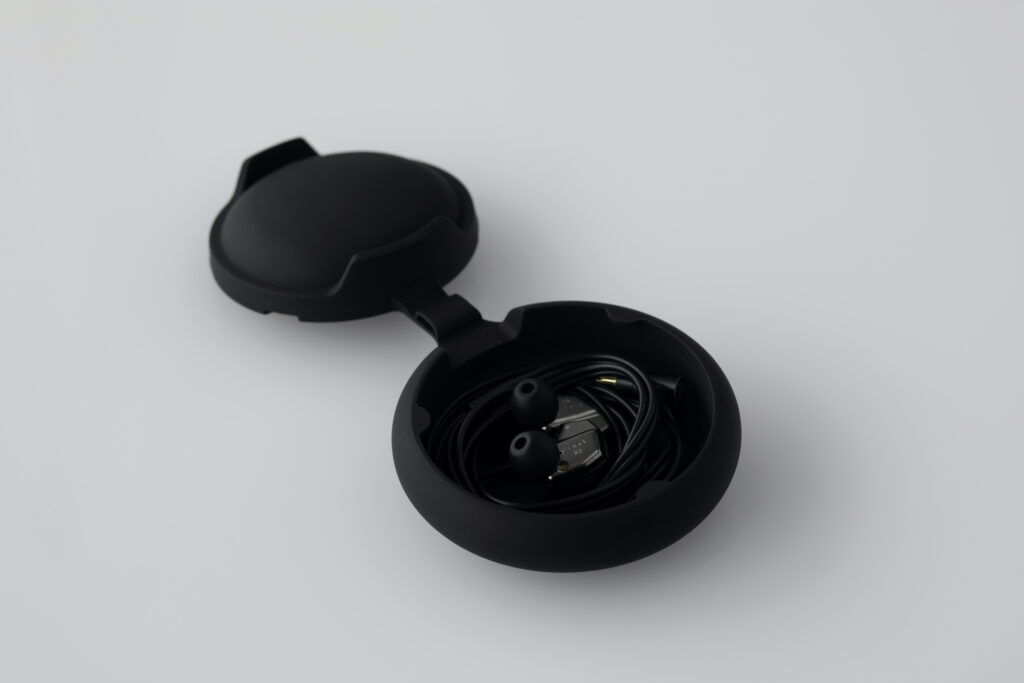
Silicone case.
This silicone case allows the cable to be rolled up for easy storage.
The earpiece body is held in place gently by a thin, domed silicone cover.
Running-in.
Break-in refers to the phenomenon whereby the sound produced by headphones changes over time and with use.
The earphones contain a small driver; an extremely thin film diaphragm is attached to it by means of a coil and an adhesive agent.
Although this cannot be proven, we believe that in this situation, the adhesive part can possibly influence these infinitesimal movements.
By using the product for a set period of time, the diaphragm moves more easily and sound quality approaches the original design goal.
As this product has a small aperture, it takes a long time for the changes due to ageing to become indecipherable.
In general, if the product is used normally over a period of 150 to 200 hours, it should seem that the sound has become more subtle.
A more favorable result can be obtained by aging the product by listening to the music you normally listen to at a volume you normally listen to, rather than by accelerating aging through very high volumes.
How to wear headphones.
STEP 2: If it’s difficult to insert the earphone into the concha cavity, try inserting the earphone while pulling the earlobe back and up a little.
* If the cable doesn’t fit behind the ear, use the“ear hook” accessory.
* If the fit is too loose, try resizing the sleeve.
Reviews
There are no reviews yet.