 English
 Français
 Italiano

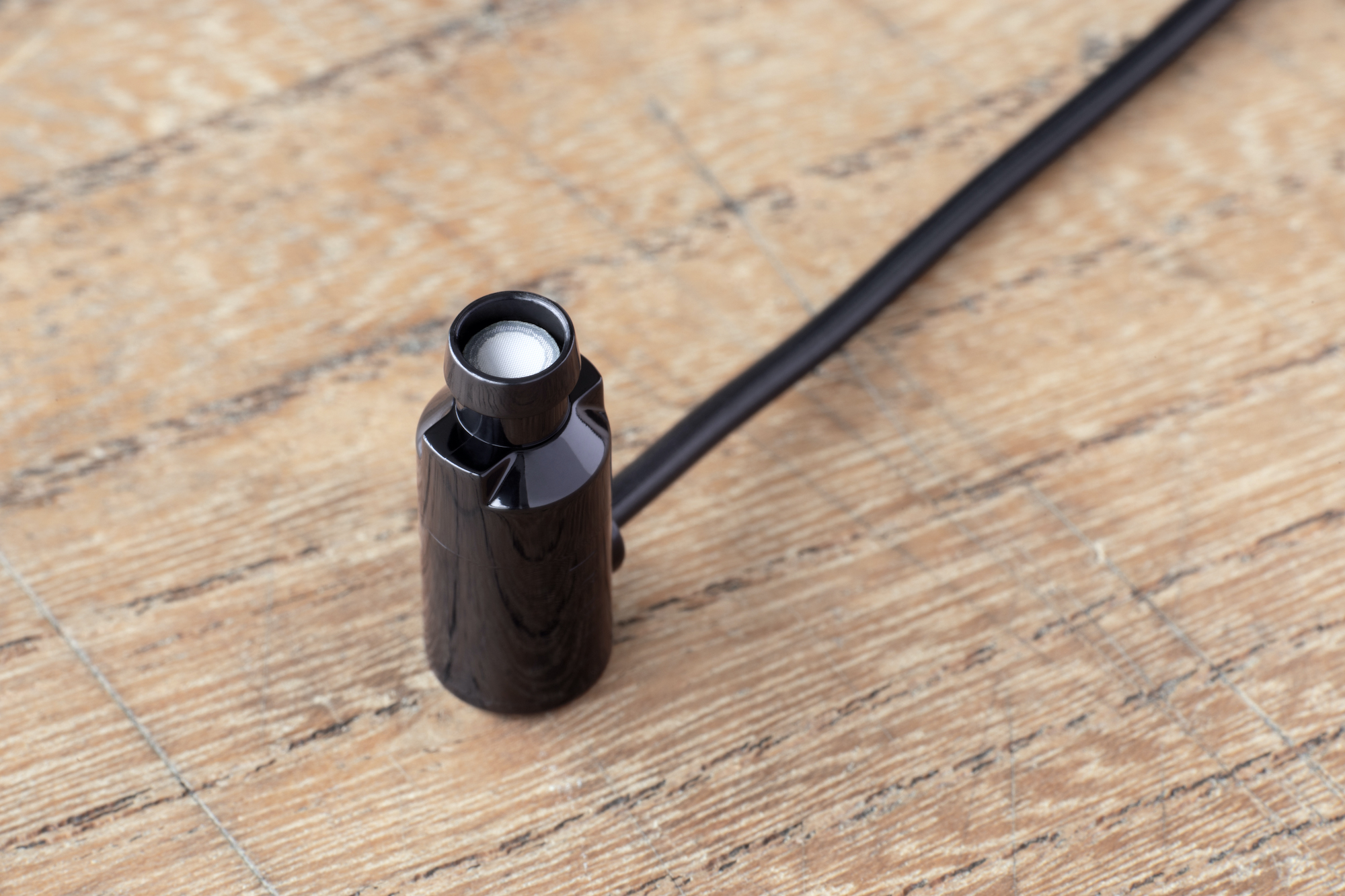
Description
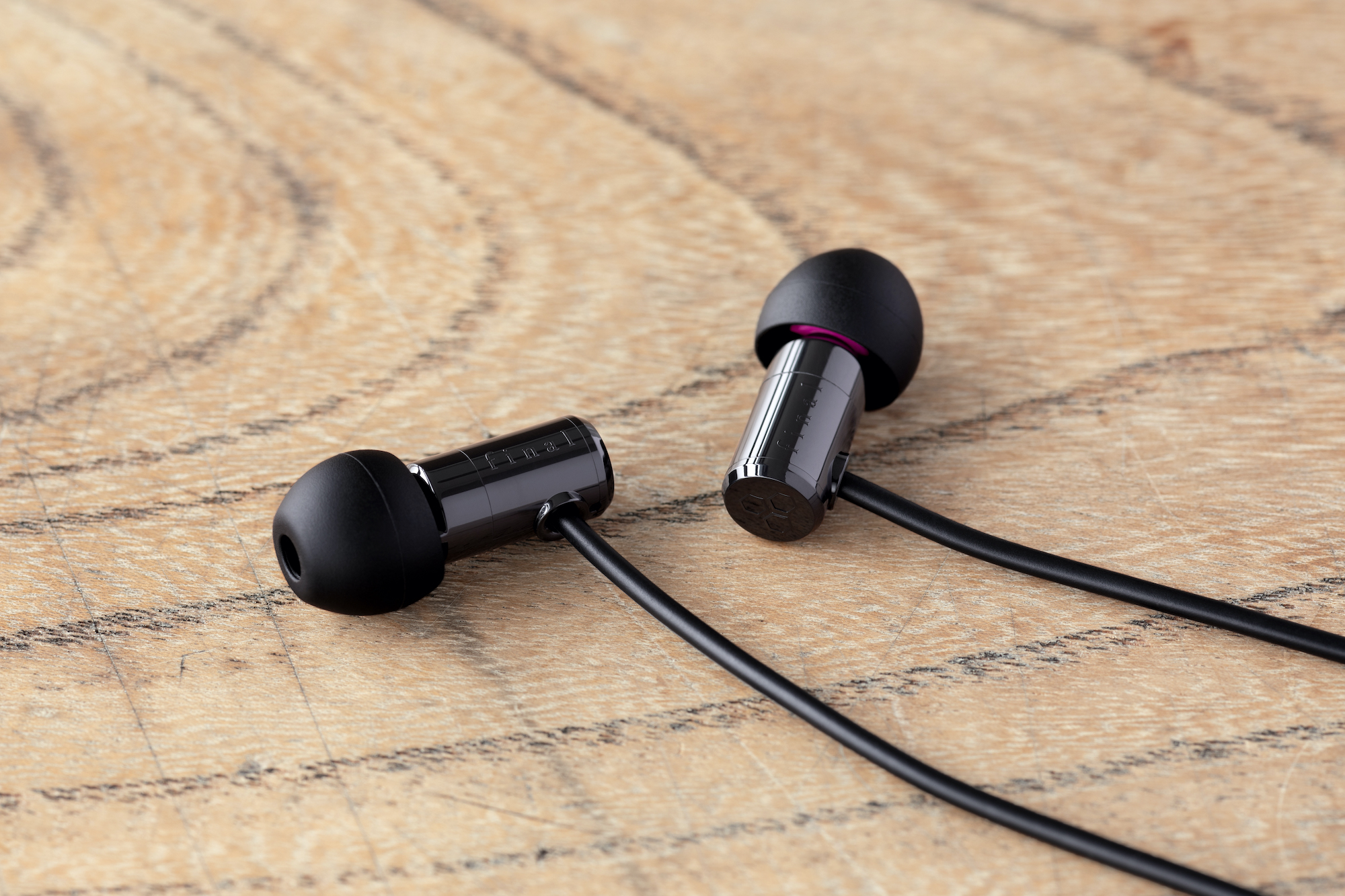
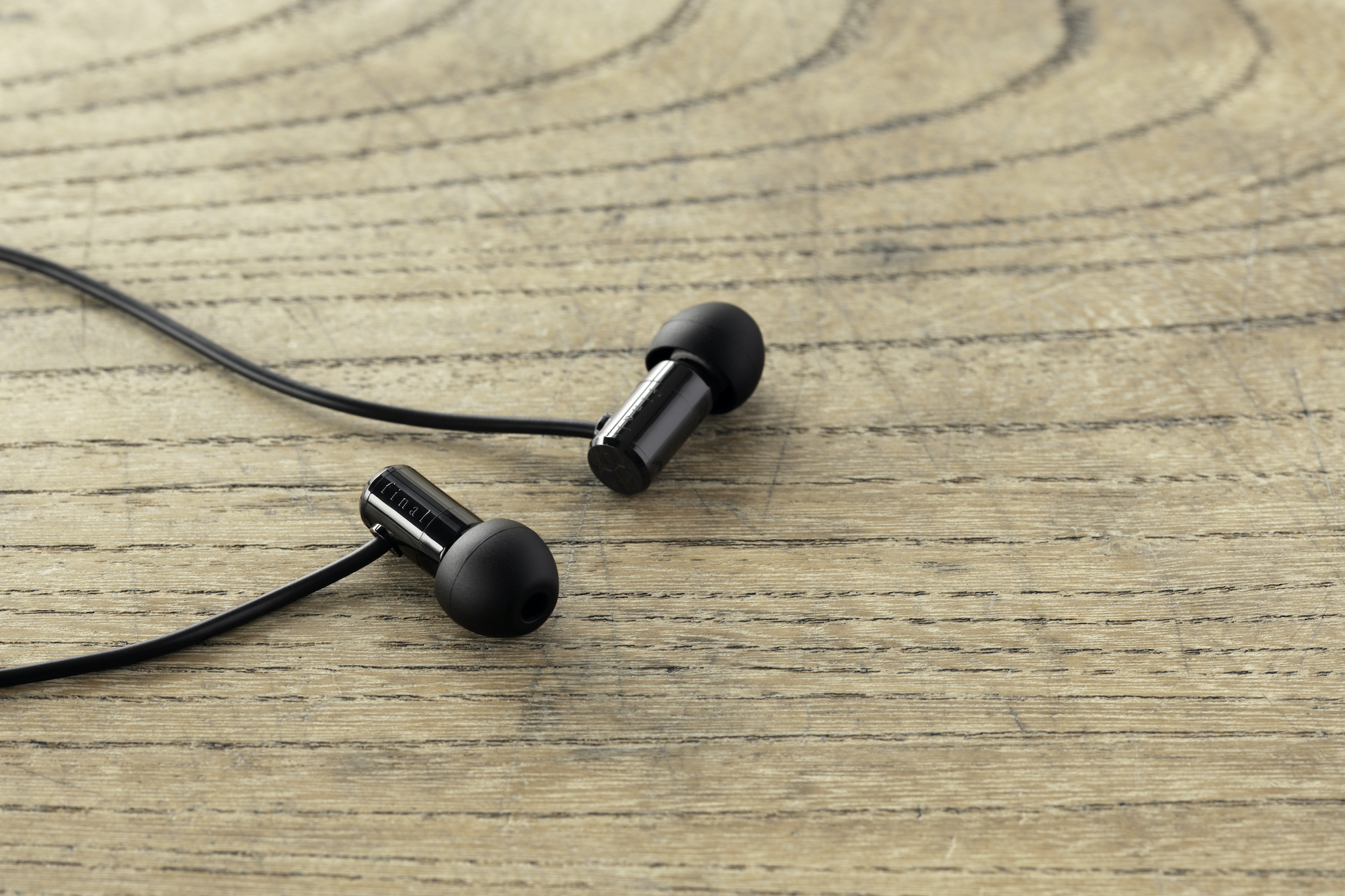
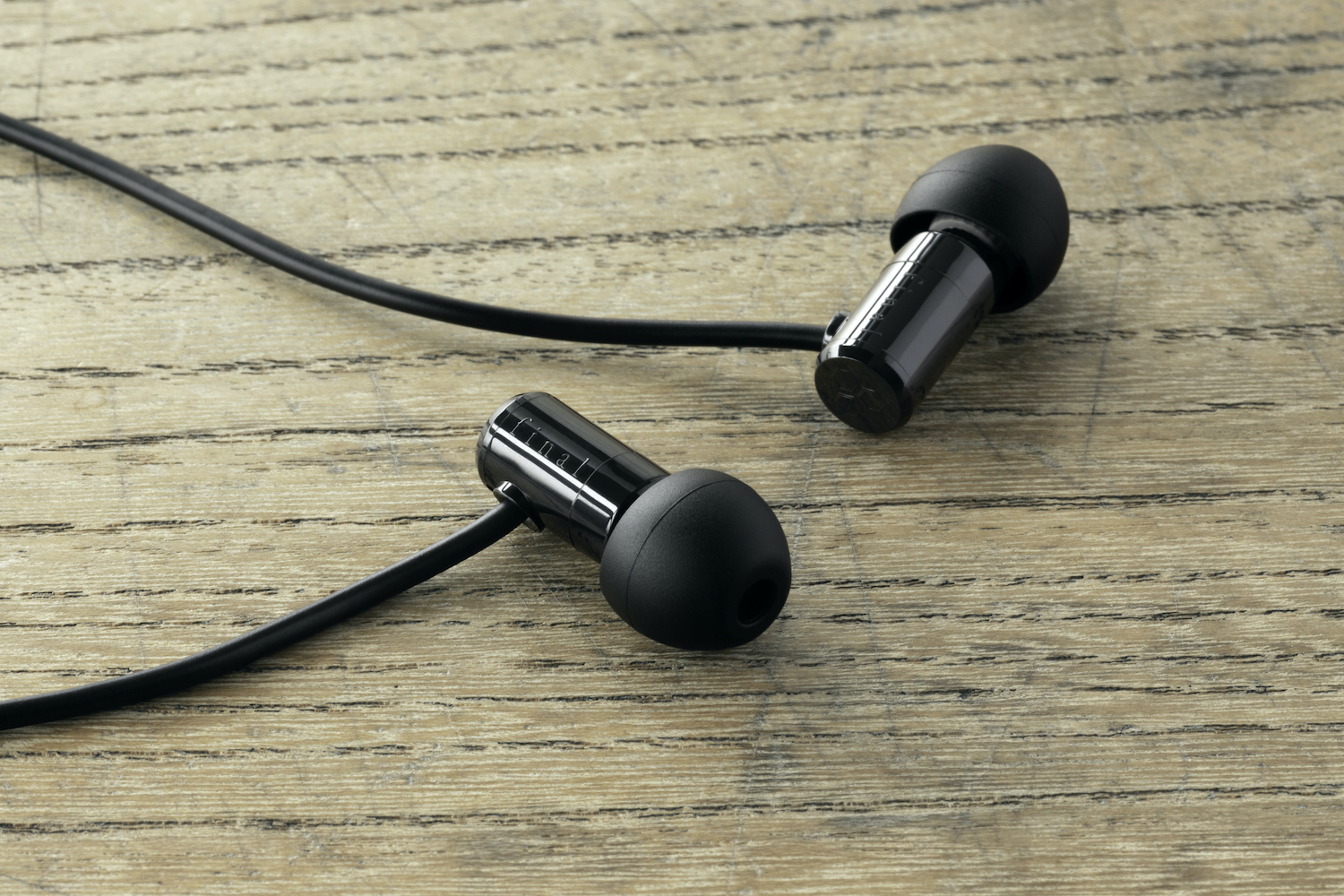
E500
Provides clear sound quality across all frequency bands and the sensation of natural, realistic sound.
The new “standard” headphones were born of research into the differences between sound sources produced by the two-channel stereo method and those produced by binaural technology.
The new headphones are the result of research into the differences between binaural sound sources produced using binaural technology.
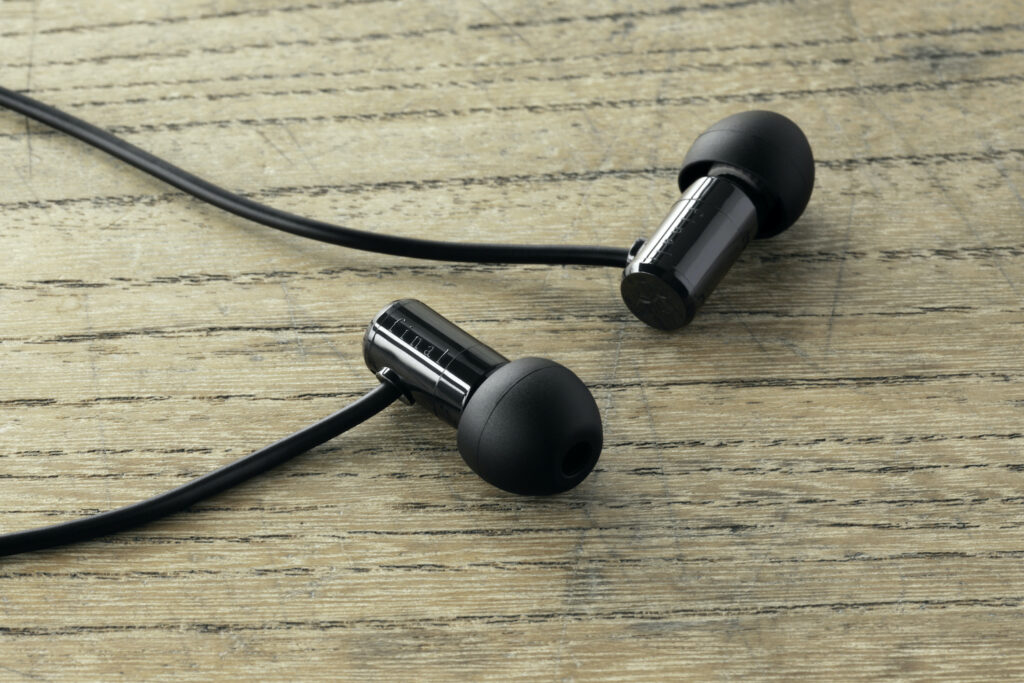
Features.
Sound production based on psychoacoustics and spatial acoustics.
A new “standard” earphone was born out of research into the differences between sound sources produced using the two-channel stereo method and those produced using binaural technology.
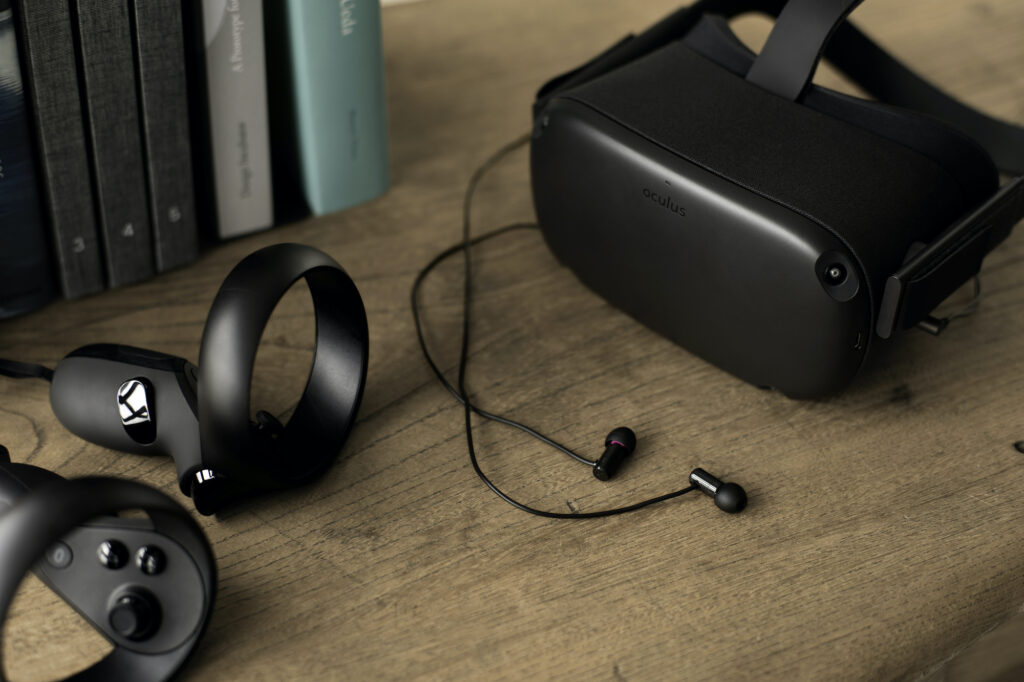
It is common for listening to sound sources such as games and VR produced in binaural with headphones or earphones to cause particular discomfort in the high frequencies.
Acoustics researchers know the causes of this discomfort, but have yet to successfully solve the problem.
This time, by taking a new approach to countering the problem, we have succeeded in creating headphones that allow the user to perceive the timbre, spatial image and sense of direction as intended by the creator in sound sources such as binaural games and VR.
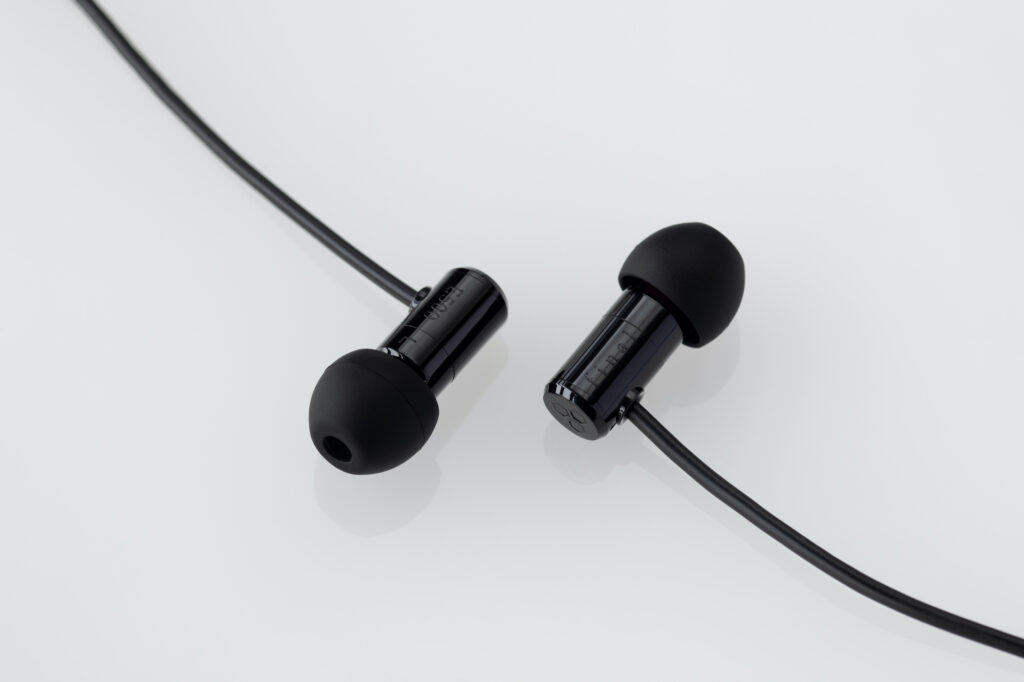
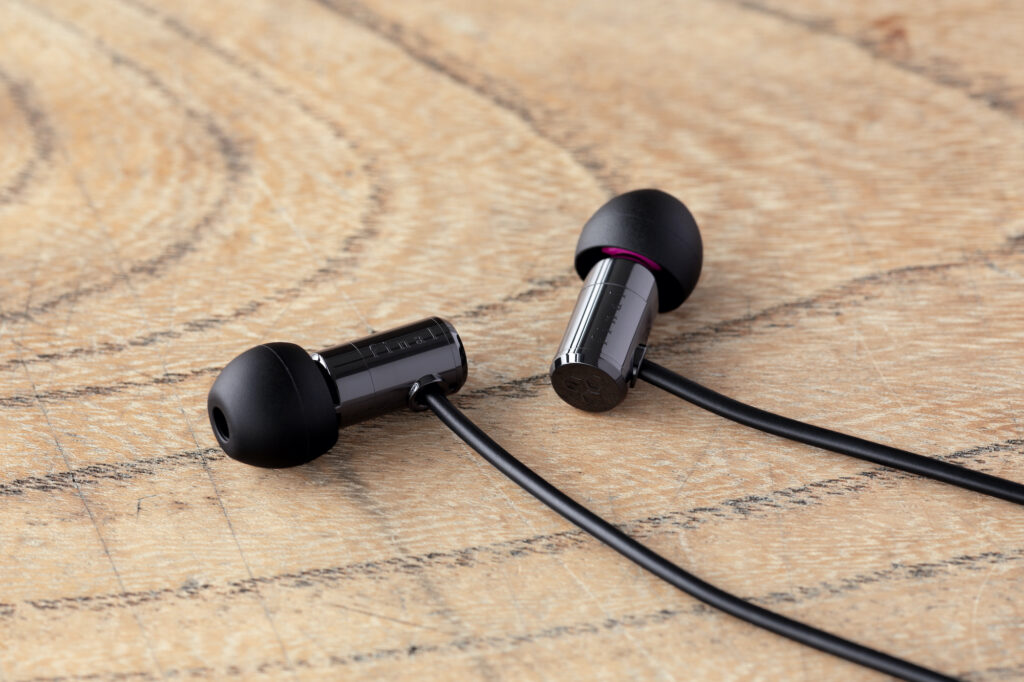
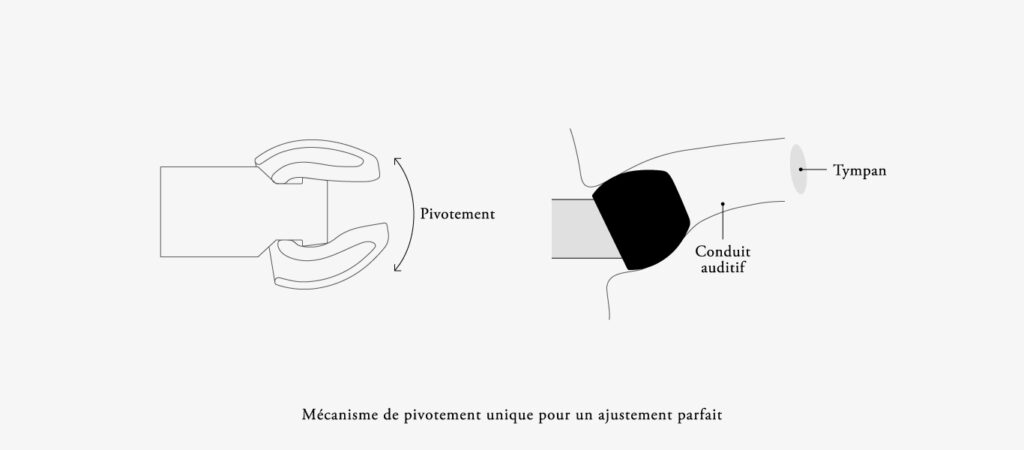
Unique pivoting mechanism for a perfect fit.
Using the pivoting mechanism, the earmolds can be rotated to the left, right or diagonally in the ear canal, to find the perfect fit.
This prevents deformation of the earmold passage, which can result from contact with the ear canal.
The sound is transmitted directly to the eardrum, and is crystal-clear.
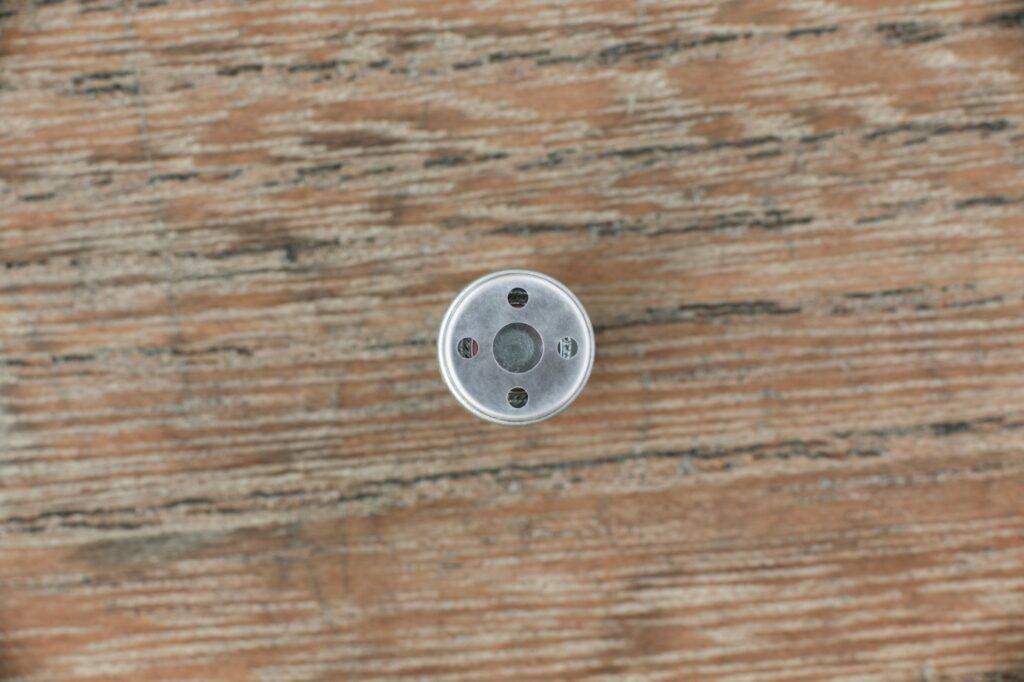
Dynamic drivers with Φ 6.4 mm.
The assembly of loudspeaker system parts requires the utmost precision.
The high-precision sound of the dynamic drivers, with a small 6.4 mm diameter sound outlet, is incredible for this price class.
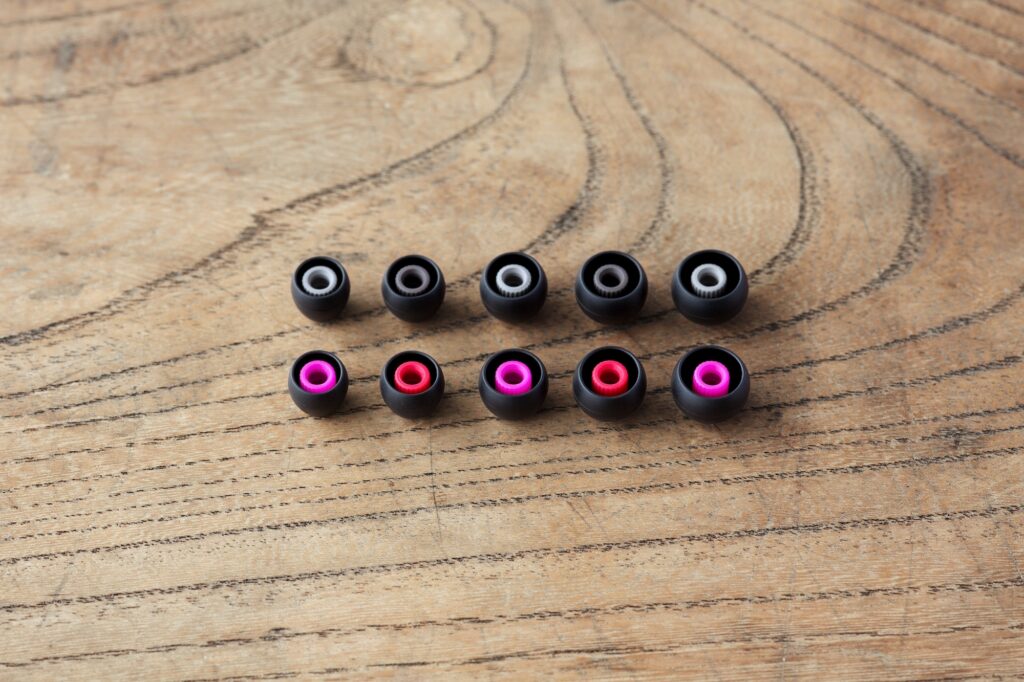
Original tips in 5 sizes.
Two silicone materials are used for the ear tips, differing in their resistance to sound transmission and to the ear plug touching the ear.
The silicone for the sound transmission path is firmer than that for the earplug, and thanks to its grooved finish achieves both firmness and flexibility.
The earplugs are made of soft silicone and, in addition to a comfortable fit, achieve a high level of sound insulation.
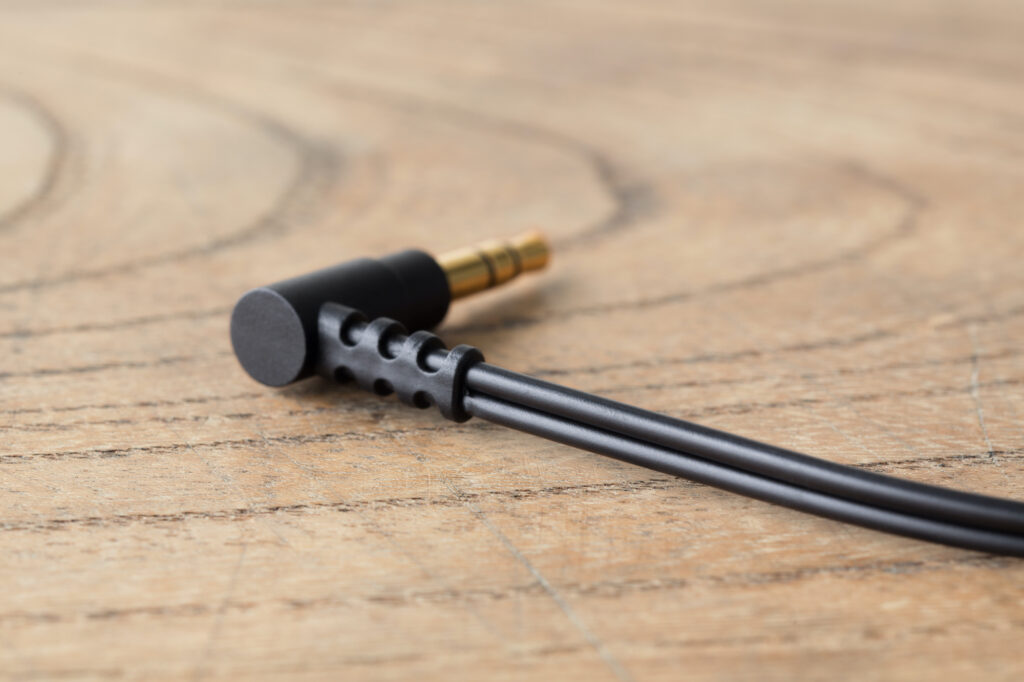
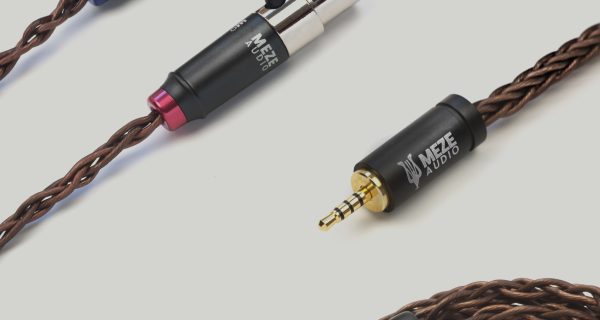
Original cables reduce contact noise.
Taking undesirable contact noise into account, a soft material with a flexible coating was used.
When wearing ear hooks, the high degree of flexibility ensures a perfect fit.
Running-in.
Break-in refers to the phenomenon whereby the sound produced by headphones changes over time and with use.
The earphones contain a small driver; an extremely thin film diaphragm is attached to it by means of a coil and an adhesive agent.
Although this cannot be proven, we believe that in this situation, the adhesive part can possibly influence these infinitesimal movements.
By using the product for a set period of time, the diaphragm moves more easily and sound quality approaches the original design goal.
As this product has a small aperture, a long period of time is needed before the changes due to running-in become indecipherable.
In general, if the product is used normally over a period of 150 to 200 hours, it should seem that the sound has become more subtle.
A more favorable result can be obtained by running the product through the music you normally listen to at a volume you normally listen to, rather than accelerating aging by very high volumes.
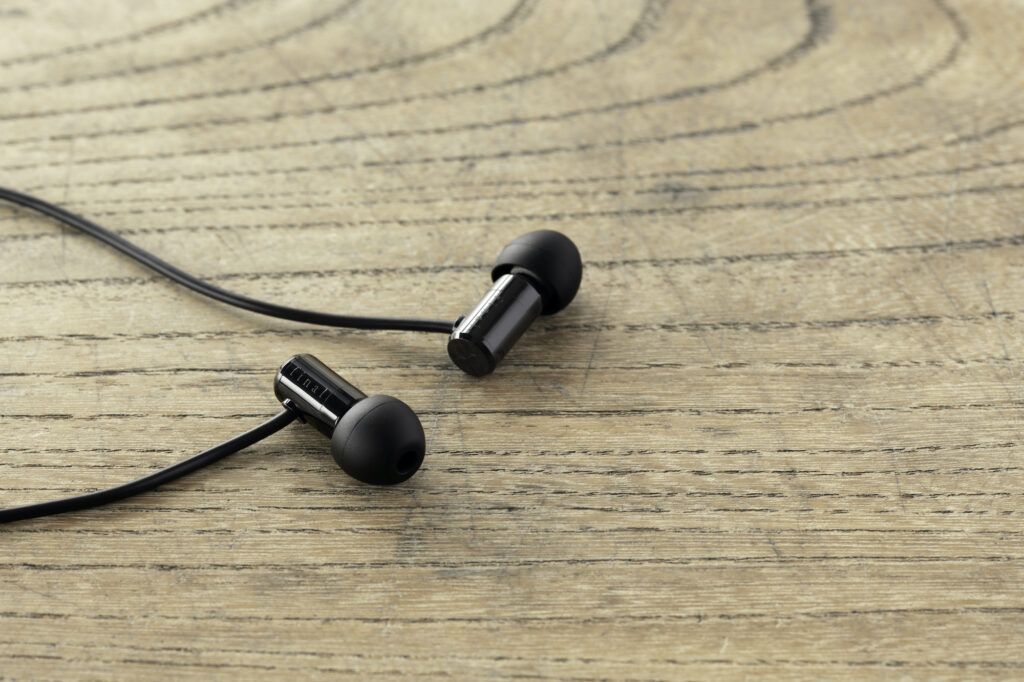
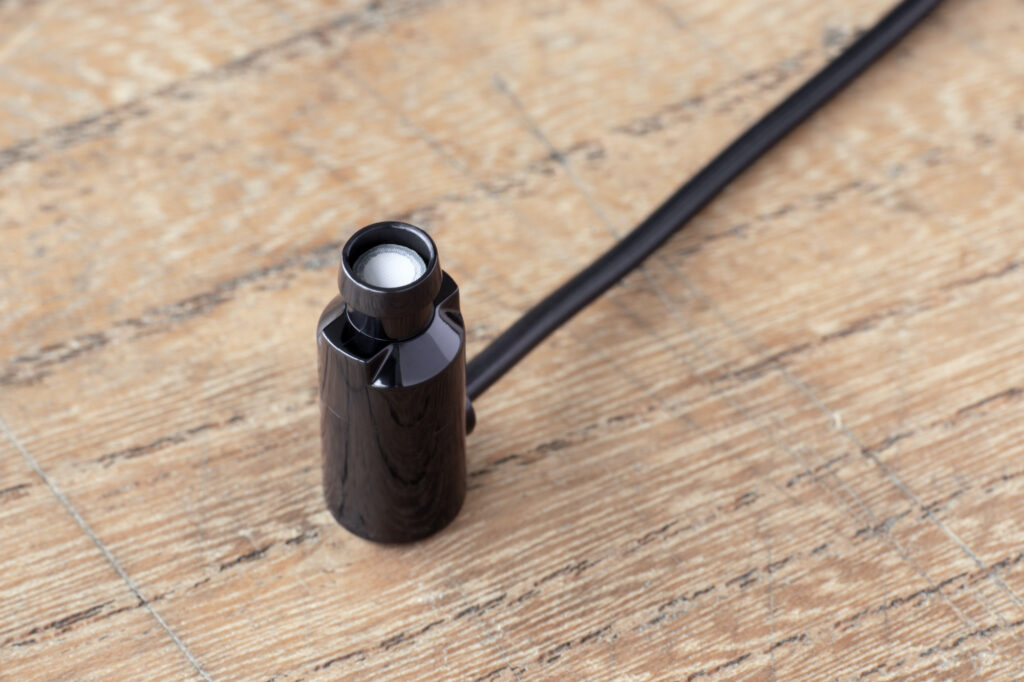
How to put on headphones.
When inserting the earphones, please use the swivel mechanism and tilt the product until it fits comfortably in the ear.
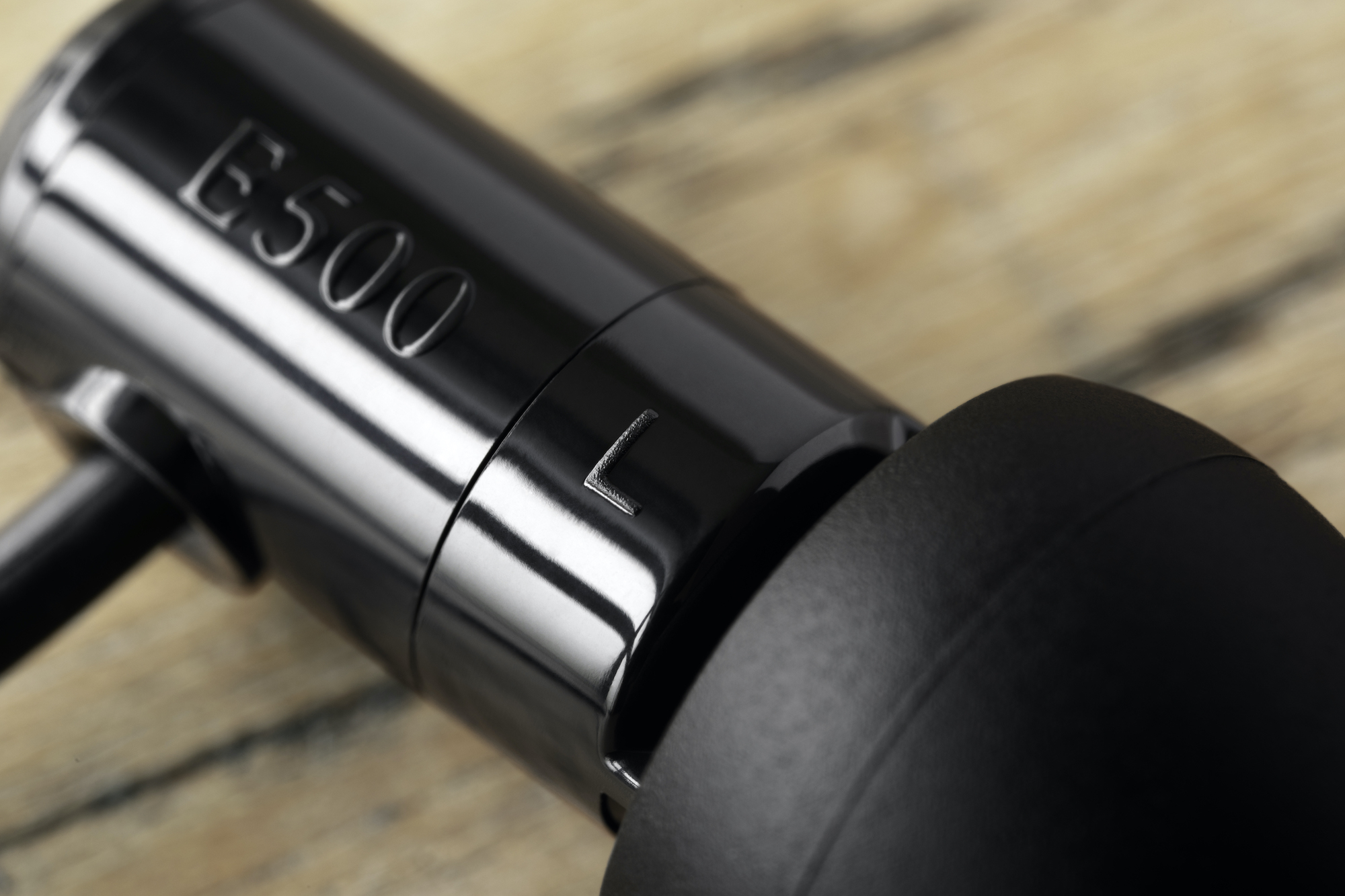
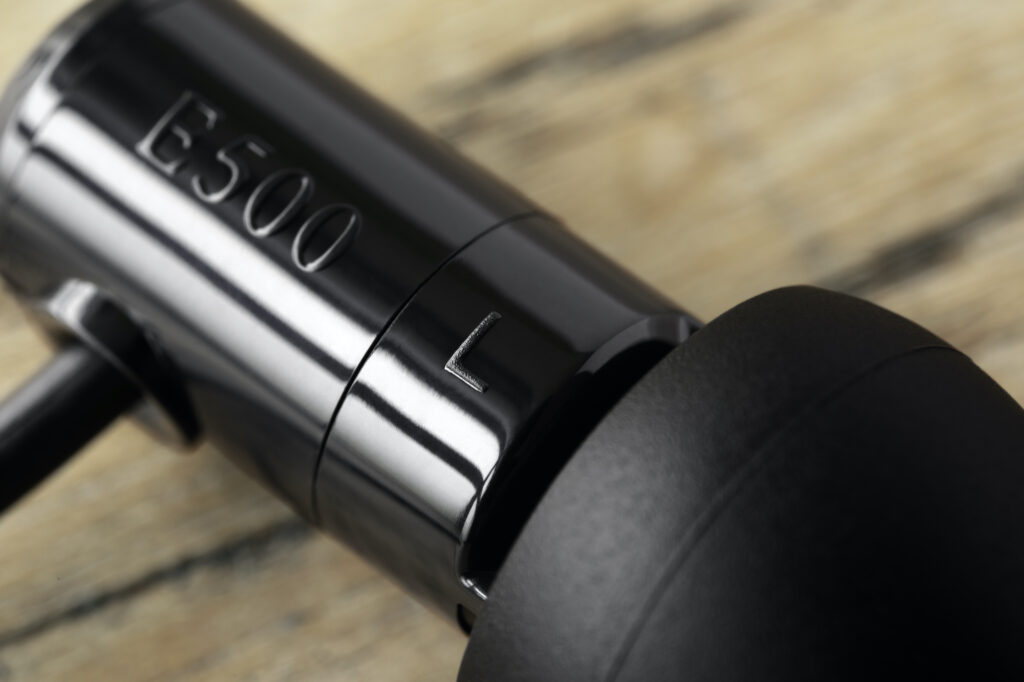
Note the L (left) and R (right) indications on the back of the left and right housings.
Grasp the housing and insert the earphone into the ear canal with a slight twisting motion.
Since sound quality is strongly influenced by the position of the earpiece in the ear, move the earpiece during music playback until you find the most balanced position for you.
Once you know the position, you’ll find it more quickly over time.
* It’s normal for the shape of the left ear to differ from that of the right.
For this reason, the optimum position is different for each ear.
Part 1.
Binaural sound recorded directly as a two-channel signal.
BBC: the whole is interesting, especially from the 4:47 minute mark.
3Dio: In the golf ball scene from 25 seconds onwards, the image seems to increase the depth of the sound.
The sound traveler: discover the interior of an Egyptian pyramid. Note the differences in sound due to the size and shape of the space.
France télévision: focus on distance and sound direction.
Hear the world in 3D audio // Short film: typical “everyday sounds”.
Part 2.
Binaural sounds generated by binaural rendering from 3D sound produce multichannel sounds.
Radio France: live 3D audio recording with a large orchestra and choir in a concert hall.
LST: Note the sensation of the sound rising and falling from about 1 minute.
Battlefield 4: sounds typical of a combat shooter.
Note the sound of the flying object passing overhead, starting at around 0 min 15 sec.
I Drink Lava – 3D Game Audio: focus on the distance between each visual and aural object.
PhilsComputerLab: the video is a simple computer-generated image, but note the movement of the sound.

Reviews
There are no reviews yet.